Some of the links in this article are "affiliate links", a link with a special tracking code. This means if you click on an affiliate link and purchase the item, we will receive an affiliate commission.
The price of the item is the same whether it is an affiliate link or not. Regardless, we only recommend products or services we believe will add value to our readers.
By using the affiliate links, you are helping support our Website, and we genuinely appreciate your support.
Why Sautéing Vegetables is a Skill Worth Having
When it comes to cooking vegetables, sautéing is one of those skills that can elevate your dishes from ordinary to extraordinary. It’s not just about tossing veggies in a pan; it’s about understanding the heat, timing, and flavors that make them shine. I’ve found that once you get the hang of it, sautéing becomes second nature, and you’ll never look at a carrot or zucchini the same way again.
Getting Started: The Right Tools
Before you dive into sautéing, let’s talk tools. A good skillet is your best friend here. I prefer using a heavy-bottomed pan, like cast iron or stainless steel, for even heat distribution. Trust me, this makes all the difference. You don’t want hot spots that overcook some veggies while leaving others raw. A spatula that can handle high heat is also essential for stirring and flipping.
The Secret to Perfectly Sautéed Vegetables
The key to sautéing is controlling the heat. Medium to medium-high is your sweet spot. Too low, and your veggies will steam instead of sauté. Too high, and they burn before they cook through. I usually start with a tablespoon of oil—olive or avocado are my go-tos—and let it heat until shimmering. This is your cue to add the vegetables.
Choosing Your Vegetables
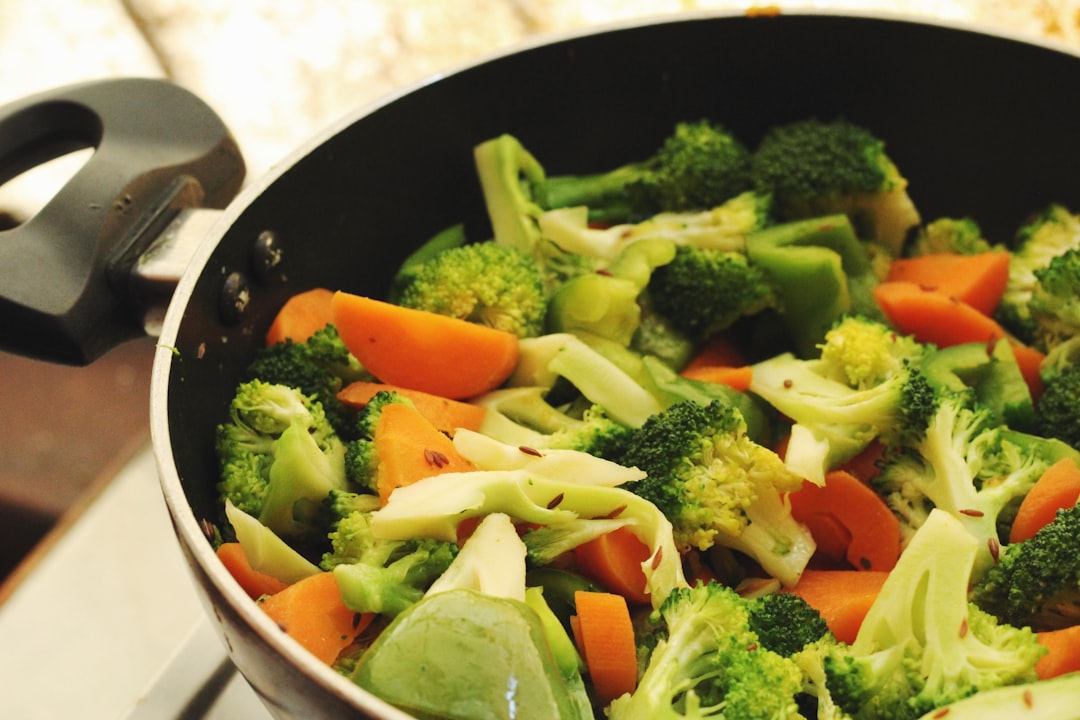
Not all vegetables are created equal when it comes to sautéing. Quick-cooking veggies like bell peppers, onions, and zucchini are ideal. For denser options like carrots or broccoli, I cut them thinner to ensure they cook evenly. Mixing different colors and textures not only looks appealing but also enhances the flavor profile.
Timing is Everything
Timing can be tricky, but here’s a simple rule: start with the veggies that take longer to cook, like carrots or broccoli, and add the quicker-cooking ones later. This way, everything finishes at the same time. Keep stirring to prevent sticking and ensure even cooking. It’s a bit of a dance, but once you get the rhythm, it becomes second nature.
Adding Flavor: The Finishing Touch
Once your veggies are tender-crisp, it’s time to add some flavor. A sprinkle of salt and pepper is a given, but don’t stop there. Fresh herbs like basil or parsley can add brightness, while a splash of soy sauce or balsamic vinegar can deepen the flavors. I often finish with a squeeze of lemon juice for a hint of acidity that ties everything together.
Common Mistakes and How to Avoid Them
Even seasoned cooks can trip up when sautéing. Overcrowding the pan is a common mistake—it leads to steaming instead of sautéing. Make sure there’s enough room for the veggies to move around. Another pitfall is using too much oil, which can make the dish greasy. Start with a little; you can always add more if needed.
Experiment and Enjoy
Sautéing is all about experimentation. Try different combinations of vegetables and seasonings to find what you love. It’s a versatile method that can adapt to whatever you have on hand. Whether you’re making a simple side dish or a main course, sautéed vegetables add a burst of flavor and color to your meal.