Some of the links in this article are "affiliate links", a link with a special tracking code. This means if you click on an affiliate link and purchase the item, we will receive an affiliate commission.
The price of the item is the same whether it is an affiliate link or not. Regardless, we only recommend products or services we believe will add value to our readers.
By using the affiliate links, you are helping support our Website, and we genuinely appreciate your support.
Understanding Food Storage Basics
I learned the hard way that food storage isn’t just about tidy shelves. It’s about survival. Last summer, I opened a Tupperware container of leftover chicken soup that had been sitting in the fridge for four days. It didn’t smell bad. It didn’t look wrong. But one spoonful later, I was down for the count. I spent the next two days wondering why I ever trusted my nose over the calendar. That disaster taught me that proper storage is less about aesthetics and more about biology.
According to the USDA, bacteria grow most rapidly in the range of temperatures between 40°F and 140°F. This is often called the “danger zone.” If your food lingers here too long, or if your storage conditions are off, you’re essentially building a buffet for harmful microbes. I used to think putting leftovers in the back of the fridge was enough. Turns out, the back is the coldest spot, but the door is the warmest and fluctuates every time I open it to grab a soda. Now, I’m way more intentional about where things live.
Getting this right saves money, reduces waste, and keeps your family healthy. It ties in nicely with Healthy Lifestyle Changes For Better Energy, because nothing drains your energy like a mid-afternoon stomach ache from bad leftovers. Let’s break down the specific spots in your kitchen and what belongs where, based on what actually works in a real home kitchen, not just a sterile lab.
Refrigeration: Keeping It Cool
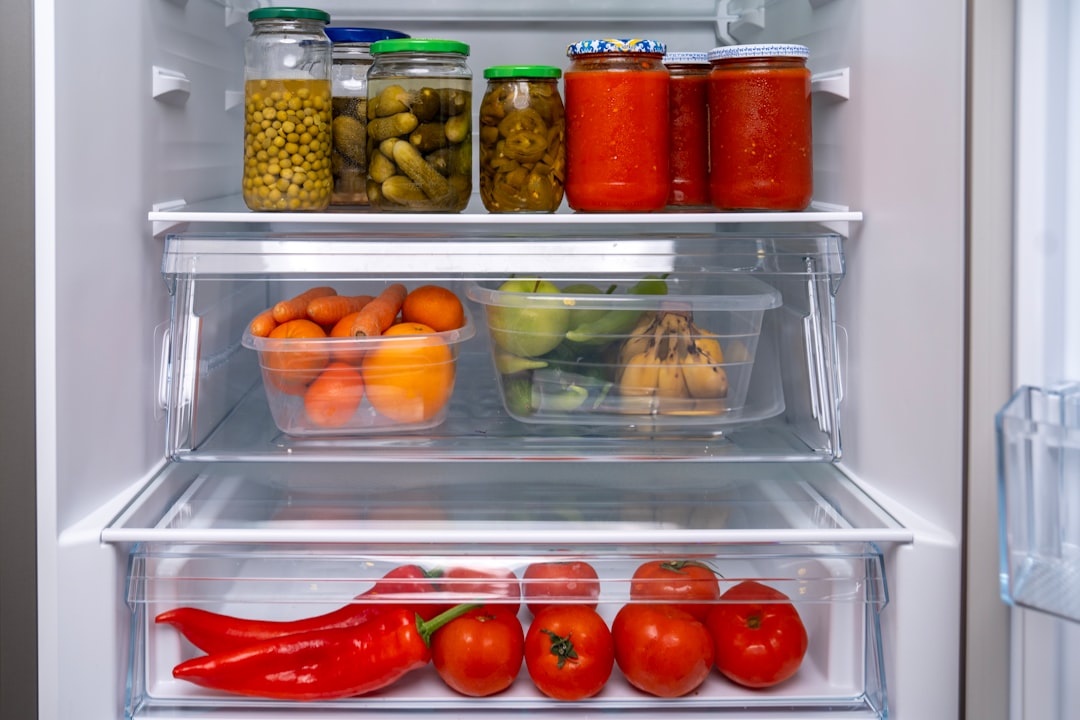
The fridge is your first line of defense, but it’s not a monolith. Different shelves have different temperatures. I keep a simple digital thermometer in my fridge—it costs about $15 on Amazon—and it’s been an eye-opener. The door, which I used to rely on for milk, often sits around 45°F. That’s just a bit too warm for dairy that needs to stay fresh for weeks. Milk is safer on a middle or bottom shelf where the air is still and cold.
The FDA recommends keeping your fridge at or below 40°F (4°C). My fridge runs closer to 37°F. It’s a sweet spot. But temperature is only half the battle. Airflow matters. I learned this after a batch of store-bought salads went slimy overnight. They were packed tight against the back wall. Now, I leave a little breathing room. If you cram everything in, cold air can’t circulate, and you get warm spots where bacteria love to party.
Cross-contamination is the other big villain. Always store raw meat, poultry, and fish on the bottom shelf. Why the bottom? Because if a container leaks or drips, it falls straight down onto a plate of cheese or leftover cake, not onto something you might eat without cooking, like your morning yogurt. I use glass containers with locking lids for raw chicken. Plastic bags are fine too, as long as they’re double-bagged. I’ve had a bag burst in the past, and cleaning chicken juice off the ceiling of my fridge shelf is a task I never want to repeat.
Freezing: Long-Term Storage Solution
The freezer is a time machine. I love it. I bought a whole side of beef on sale last year for $200, and it’s still there, perfectly usable. Freezing stops bacterial growth almost entirely. However, it doesn’t stop chemical changes. Ice crystals form and can puncture cell walls, leading to that mushy texture we all hate.
High-water content foods like lettuce, cucumbers, and watermelons don’t freeze well. They turn into watery mush when thawed. I tried freezing a smoothie mix with kale and cucumber once, and the texture was off-putting. Stick to berries, spinach, and sturdy vegetables like broccoli or cauliflower.
For everything else, packaging is key. Air is the enemy in the freezer. It causes freezer burn, which looks like grayish-white leathery spots on meat or ice crystals on ice cream. I’ve switched almost entirely to vacuum-sealing my meats. A vacuum sealer runs about $50-$80, but it pays for itself quickly. If you don’t want to buy one, use the water displacement method with heavy-duty freezer bags. Put the food in, seal almost all the way, then slowly lower it into a bowl of water. The water pressure pushes the air out. Seal it completely. It’s magic.
Also, label everything. I use painter’s tape and a sharpie. Write the name and the date. I once found a bag of frozen peas in the back that looked mysterious. Was it from last month? Last year? The date said “11/12/2022.” I tossed it. Don’t be that person. Knowing exactly what you have helps you plan meals and reduces the chance of buying duplicates, which is a huge win for your wallet.
Pantry Storage: Dry and Cool
Your pantry should be a sanctuary for dry goods. The main enemies here are moisture, light, and pests. I used to keep my rice and pasta in their original cardboard boxes. Cute, but not practical. Moths love those boxes. I transferred everything into clear, airtight glass or hard plastic containers. It costs around $2 per container if you buy in bulk, but it keeps bugs out and lets you see exactly how much you have left.
Keep these containers away from the stove and dishwasher. Heat and humidity are pantry killers. A cool, dark cupboard is best. I also rotate my stock. When I buy new pasta, I put it in the back and move the old stuff to the front. It’s called FIFO: First In, First Out. Simple, but it stops food from expiring on your shelf.
Canned goods are pretty low-maintenance, but check the rims for dents or bulges. A bulging can means gas is being produced by bacteria inside—usually Clostridium botulinum, which causes botulism. Don’t eat it. Toss it. It’s better to lose $2 than $50 in medical bills. Organizing your pantry also helps with your immune system. When you can see your dry beans, lentils, and whole grains, you’re more likely to cook with them than order takeout. Check out Foods That Strengthen Your Immune System for ideas on how to use those pantry staples to boost your health.
Special Considerations for Fresh Produce
Fruits and vegetables are living things. They breathe, they ripen, and some even emit gases. The big gas to watch out for is ethylene. Apples, bananas, avocados, and tomatoes produce high amounts of ethylene. Other produce, like leafy greens, carrots, and berries, are sensitive to it. If you store an apple next to a bag of spinach, the spinach will yellow and wilt faster because the apple is essentially telling it to age.
I keep my fruit bowl on the counter, but I separate my bananas. If I want them to ripen slower, I wrap the stems in plastic wrap. It slows down the ethylene release. I also store my berries with a paper towel in the container. Berries are notorious for getting moldy because they retain moisture. The paper towel soaks up the excess water, extending their life by a few days. That’s a small hack that saves me money.
For root vegetables like potatoes, onions, and garlic, the fridge isn’t always the best place. Potatoes get sweet when cold because the starch turns to sugar. Onions get moldy if they’re too humid. I keep them in a mesh bag in the pantry. Mesh allows air circulation, which prevents moisture buildup. I learned this after buying a bag of potatoes in plastic and finding them sprouting in a week. Mesh bags cost about $5. Worth it. Also, don’t wash your produce until you’re ready to eat it. Washing adds moisture, which encourages spoilage. I used to wash my lettuce and store it, thinking I was saving time. It lasted two days. Now I wash it right before I make a salad, and it lasts all week.
Conclusion: The Importance of Proper Food Storage
Proper food storage doesn’t require a degree in microbiology. It just requires a little attention to detail. Know your temperatures. Label your frozen goods. Separate your ethylene producers. Use airtight containers. It’s about creating a system that works for your kitchen.
Remember, every kitchen is different. Maybe your fridge runs cold, maybe your pantry gets hot. Test it. Adjust it. It’s about finding what works best for you. And once you’ve mastered storage, you can start focusing on what’s inside those containers. I’ve written before about My Take on Why Eating the Rainbow Is Not Just A Saying, and proper storage is the first step in ensuring you actually eat that rainbow before it turns brown. If you’re looking to make broader changes, don’t forget to check out Signs You Need To Detox Your Body to see if your diet and storage habits are working against you.
Here are a few quick FAQs to tie it all together:
How long can I keep leftovers in the fridge?
Generally, 3-4 days is the safe zone. If it’s been longer, check the smell and texture. When in doubt, throw it out. It’s better to waste a small amount of food than risk illness.
Can I refreeze meat that I’ve thawed?
Yes, if it was thawed in the fridge. If you thawed it in the microwave or cold water, cook it before refreezing. Refreezing raw meat that has been thawed via other methods can affect texture and safety.
What’s the best tool for beginners to start with?
A good set of airtight containers. Check out 10 Essential Kitchen Tools Every Beginner Needs for more recommendations. Start with those, add a thermometer, and you’re halfway there.
Stop guessing. Start storing with purpose. Your stomach will thank you.