Some of the links in this article are "affiliate links", a link with a special tracking code. This means if you click on an affiliate link and purchase the item, we will receive an affiliate commission.
The price of the item is the same whether it is an affiliate link or not. Regardless, we only recommend products or services we believe will add value to our readers.
By using the affiliate links, you are helping support our Website, and we genuinely appreciate your support.
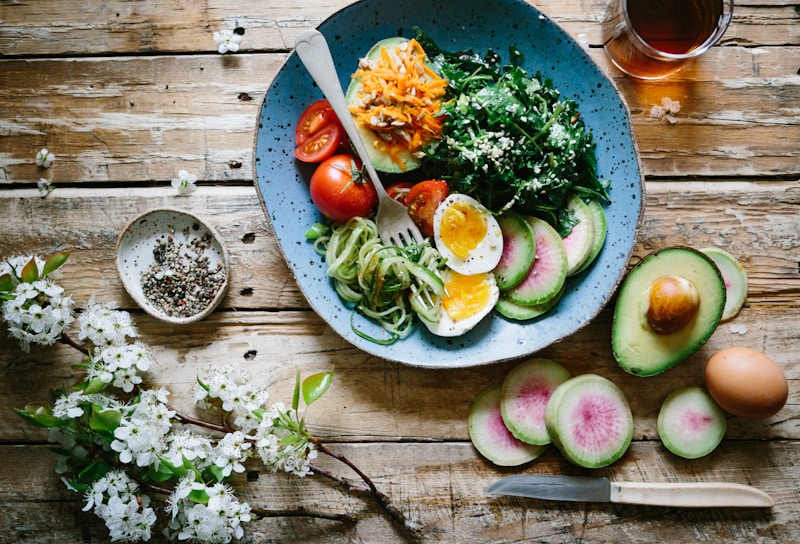
My Take on Why Eating the Rainbow Is Not Just A Saying
Last Tuesday, I stood over my kitchen sink, scrubbing a bag of spinach that looked a little more wilted than I’d like. It was 6:30 PM, I was tired, and my dinner plan—roasted chicken with a side of bland steamed broccoli—felt like a betrayal of my own cooking ambitions. I opened the fridge, and there it was: a single, bruised red bell pepper and a bag of frozen blueberries. I tossed the pepper into a skillet with some olive oil and garlic, then threw the blueberries into a small bowl with a pinch of salt. It wasn’t a Michelin-star meal, but the contrast of the bright red, charred edges against the deep purple berries was striking. When I took that first bite, something clicked. It wasn’t just about the vitamins, though those matter. It was the vibrancy. The colors woke up my palate in a way pale, uniform foods never do.
I’ve heard the phrase “eat the rainbow” since I was a kid, usually accompanied by a stern look from a parent or a sticker on a lunchbox. For years, I treated it as a vague rule of thumb, like “eat your vegetables.” But as I’ve spent more time in the kitchen, experimenting with different produce and watching my energy levels shift, I’ve realized this isn’t just a catchy slogan. It’s a practical, visual guide to nutrient density. And honestly? It makes cooking more fun.
The Science Behind the Spectacle
You might be thinking, “Does color really matter that much?” Turns out, yes. The vibrant hues in fruits and vegetables come from phytonutrients—plant compounds that act as pigments. These aren’t just there to make your plate look Instagram-ready; they serve as nature’s defense system for the plant, protecting it from sun damage and pests. When we eat them, those same compounds offer protection for our bodies. Each color group represents a different set of phytochemicals, meaning that if you’re only eating green, you’re missing out on the specific benefits locked in red, orange, and purple foods.
According to the USDA’s Dietary Guidelines, eating a variety of colorful produce is key to reducing the risk of chronic diseases. But let’s get specific. It’s not just about “healthy.” It’s about targeting specific bodily functions. That red pepper isn’t just red because it’s pretty; it’s packed with lycopene. That purple eggplant? It’s loaded with anthocyanins. If you treat your grocery cart like a palette, you’re essentially building a diverse defense team inside your body.
Red: The Heart Helpers
Let’s start with red. My go-to here is always tomatoes, specifically when they’re ripe enough to smell like sunshine. Red foods are rich in lycopene, a powerful antioxidant that’s been linked to reduced risk of heart disease and certain cancers. I remember my first attempt at making a homemade marinara was a disaster—I used canned tomatoes that tasted metallic and flat. Once I switched to fresh, vine-ripened Roma tomatoes and roasted them at 400°F for 25 minutes, the flavor changed completely. The deep red color intensified, and the lycopene became more bioavailable, meaning my body could actually use it.
Don’t forget about red bell peppers and strawberries. I keep a bag of frozen strawberries in my freezer (usually on sale for around $2.50 a bag) for quick smoothies. They add a bright, tangy kick and a pop of color without needing any sugar. If you’re looking to boost your immune system naturally, starting your morning with a red fruit can set a strong foundation. The vitamin C in strawberries works synergistically with the antioxidants to keep your defenses up.
Orange and Yellow: Eye and Skin Care
Orange and yellow vegetables are the unsung heroes of eye health. Beta-carotene, which converts to Vitamin A in your body, is the star here. Carrots, sweet potatoes, and butternut squash are the usual suspects. I have a soft spot for butternut squash. There’s something satisfying about roasting a whole squash at 375°F for an hour. The skin gets crispy, the flesh turns golden orange, and the kitchen smells like autumn. I usually mash it with a little olive oil and sea salt, but you could easily mix it into healthy lifestyle changes for better energy by replacing pasta with squash noodles.
Funny thing is, I used to hate carrots. They were crunchy, dry, and boring. Then a friend suggested grating them raw into a slaw with lemon juice and honey. The acidity cut through the earthiness, and suddenly, I was hooked. The key with orange foods is fat. Beta-carotene is fat-soluble, so you need a little olive oil, avocado, or nuts in the meal to absorb it properly. Don’t skip the dressing.
Green: The Bone Builders
Green is the color of chlorophyll, folate, and Vitamin K. Spinach, kale, broccoli, and Brussels sprouts live here. I’ve been making roasted Brussels sprouts for about three years now, and I’ve learned a few hard-earned lessons. My first batch was bitter and soggy because I overcrowded the pan. Now, I make sure there’s space between each sprout so they caramelize rather than steam. Roasting at 425°F for 20 minutes with a drizzle of balsamic glaze transforms them into something crave-worthy.
Green foods are essential for bone health and blood clotting. If you’re feeling sluggish, it might be worth checking your iron levels, which are abundant in dark leafy greens. Pairing your spinach with a source of Vitamin C, like lemon juice or bell peppers, helps your body absorb that iron even better. It’s a small tweak that makes a big difference. For more on how to incorporate these greens into your daily routine, check out our guide on healthy lifestyle changes for better energy.
Purple and Blue: Brain Fuel
Finally, we have the purple and blue gang. Blueberries, blackberries, eggplant, and red cabbage. These are packed with anthocyanins, which give them their deep color and are known for their potential to improve memory and cognitive function. I’m not a scientist, but I’ve noticed that on days I include a handful of blueberries in my yogurt, my afternoon brain fog feels a bit lighter. Or at least, that’s what I thought until I tried swapping sugary granola for a mix of nuts and seeds. Both help, but the berries have a unique freshness that I can’t get rid of.
Red cabbage is another purple powerhouse that’s super affordable. I love shredding it raw into salads with apple cider vinegar. It adds a crunch and a vibrant purple hue that looks stunning against green lettuce. If you’re worried about signs you need to detox your body, adding more cruciferous vegetables like red cabbage can support your liver’s natural filtration processes.
Practical Tips for Your Next Shopping Trip
So, how do you actually do this without spending a fortune or wasting produce? Here’s what works for me:
- Fill Half Your Cart with Produce: Aim for at least three different colors every time you shop. If you’re buying chicken, pick two vegetables of different colors. If you’re making pasta, add a third color via a side salad or sauce ingredient.
- Rotate Varieties: Don’t buy the same spinach every week. Try arugula, then kale, then chard. It keeps your meals interesting and ensures you’re getting a wider range of nutrients. It also helps you discover new favorites.
- Add Colorful Sides: If you’re having a “brown” meal like roasted chicken and rice, add a bright red pepper salad or a side of steamed green beans. It balances the plate visually and nutritionally.
Investing in a good set of knives is also helpful. You don’t need a $300 Japanese steel set. A basic chef’s knife around $40-$50, like the Victorinox Fibrox, is perfect for home cooks. It makes chopping those colorful veggies faster and more enjoyable. You can see my thoughts on 10 essential kitchen tools every beginner needs for more budget-friendly gear recommendations.
Conclusion
Eating the rainbow isn’t about perfection. It’s not about having a plate with every single color represented at every single meal. It’s about looking at your grocery list and your plate as a canvas. It’s about realizing that the deep purple of an eggplant and the bright orange of a carrot are doing different, important work for your body. I’m not a chef. Just someone who cooks and wants to feel good. And honestly? My meals are better, my energy is more stable, and my kitchen is more colorful because of it.
What’s your favorite colorful vegetable? Have you ever tried something new that changed your mind about a food you disliked? Share in the comments below! I read every single one, and sometimes I’ll even cook what you suggest.
Frequently Asked Questions
Do I need to eat all colors every day?
Not necessarily. Aim for variety over a week. If you missed out on purple foods on Monday, try to include them on Tuesday. Consistency matters more than daily perfection.
Are frozen vegetables just as good?
Yes! Frozen vegetables are often picked at peak ripeness and flash-frozen, locking in nutrients. They’re cheaper, last longer, and are perfect for smoothies or quick stir-fries. I often choose frozen berries and spinach to save time and money.
What if I hate some colors?
Start small. If you hate green, try blending spinach into a fruit smoothie where the taste is masked. If you dislike purple, try roasting eggplant with garlic and olive oil until it’s creamy. Cooking methods can change how you perceive flavors.