Some of the links in this article are "affiliate links", a link with a special tracking code. This means if you click on an affiliate link and purchase the item, we will receive an affiliate commission.
The price of the item is the same whether it is an affiliate link or not. Regardless, we only recommend products or services we believe will add value to our readers.
By using the affiliate links, you are helping support our Website, and we genuinely appreciate your support.
30 Days of Real Meal Prep: What Actually Worked (And What Didn’t)
Sunday afternoon, 4:30 PM. The kitchen smells like roasted garlic and slightly burnt sesame oil. I’m standing in front of a counter covered in plastic containers—some stacked neatly, others leaning precariously. There’s no matching set of Tupperware here, no color-coded labels that match my calendar app, and definitely no Instagram-worthy overhead shots. This is the real version of meal prepping.
For the past month, I’ve been tackling dinner on weekdays without running to the grocery store or ordering takeout every time my stomach growls. The results? Mixed. The shredded chicken I prepped on Sunday was still tender and flavorful by Wednesday. The roasted broccoli, however, turned into sad, mushy green sludge by Tuesday. The grain bowls? Surprisingly solid. They held their texture even after sitting in the fridge for three days.
If you’re trying to cut down on weeknight stress but don’t want to spend six hours on Sunday chopping vegetables, stick with me. I’m not a professional chef. I’m just someone who cooks, makes mistakes, and has learned what actually works in a real home kitchen. Here’s the framework I’ve built, the failures I’ve endured, and the one rule that changed everything for me.
The Framework That Never Fails
Early on, I tried to prep specific recipes: “Monday is Chicken Teriyaki,” “Tuesday is Beef Stir-Fry.” By Thursday, I was bored. The novelty wore off, and the food started tasting less like dinner and more like a chore. I realized I didn’t need a recipe; I needed a formula.
My go-to structure is simple: Protein + Vegetable + Grain + Sauce. It’s not fancy, but it’s consistent. Consistency is what eats out once a week, saving me about $40 every Friday night.
Here’s how I rotate it:
- Monday: Grilled chicken strips + steamed broccoli + leftover white rice + store-bought teriyaki sauce.
- Tuesday: Crispy tofu cubes + sautéed bell peppers + quinoa + peanut sauce.
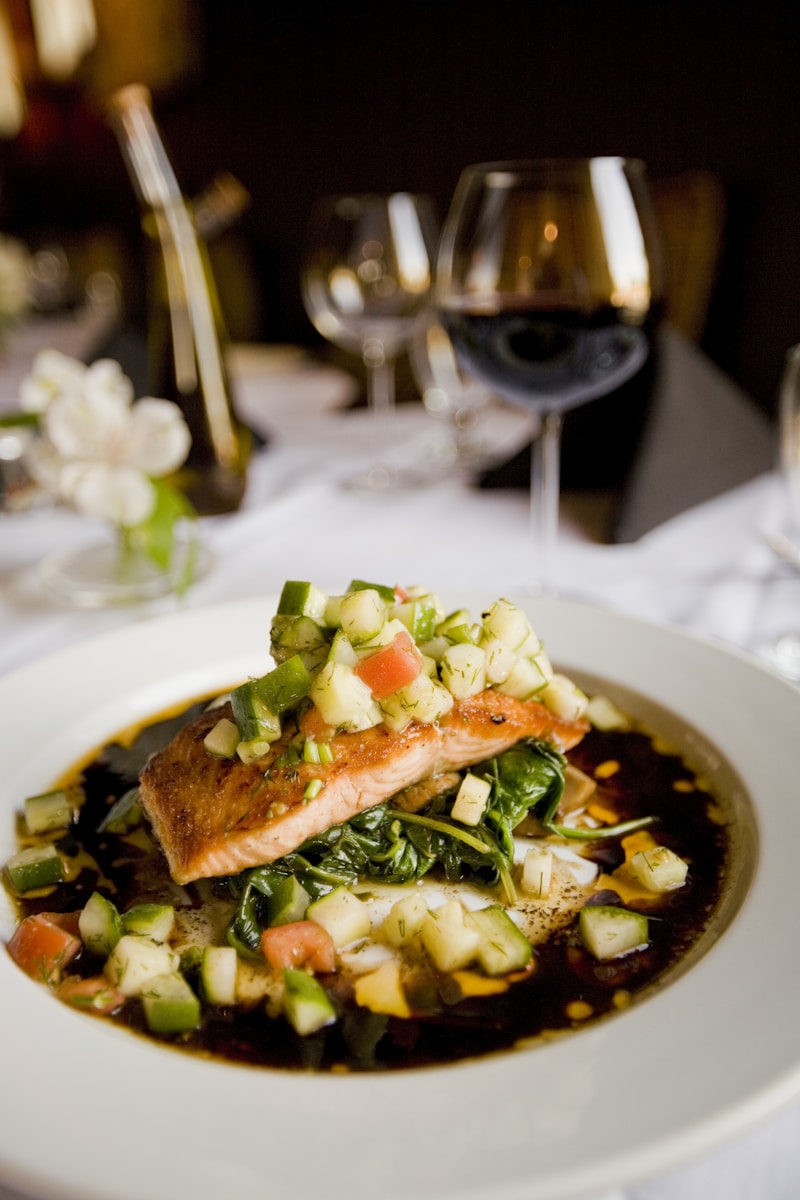
- Wednesday: Pan-seared salmon (or white fish if salmon is too pricey) + roasted asparagus + sweet potato cubes + lemon-herb vinaigrette.
The beauty of this system is that the technique stays the same, but the ingredients change based on what’s in my fridge. I don’t measure everything precisely. I eyeball it. But I do time it. For example, rice from the fridge reheats in exactly 2 minutes in the microwave with a splash of water. If you skip the water, you get rock-hard grains. If you add too much, you get soup. It’s a delicate balance, but you get the hang of it quickly.
This method also helps me boost my immune system naturally because I’m forced to include a vegetable and a healthy protein in every single meal, rather than skipping veggies when I’m tired.
Why I Stopped Following Recipes for Weeknights
Recipes are incredible for learning. If I want to try making croissants from scratch or a complex French braise, I follow a recipe. But for Tuesday night dinner, recipes are terrible. By the time you read through the instructions, find the ingredients, measure everything, and realize you’re out of soy sauce, you’re hungry, frustrated, and ready to order pizza.
Now, I keep about five or six “base recipes” in my head. A base recipe is really just a technique. For example, my “base stir-fry” technique is: heat oil in a wok until it shimmers (about 350°F), add protein, cook for 3-4 minutes until browned, remove. Add aromatics (garlic, ginger) for 30 seconds. Add hard vegetables. Add sauce. Return protein. Finish.
A study from the Cornell Food & Brand Lab found that decision fatigue is a real thing, and it impacts what we eat. When you have to decide *what* to make, *how* to make it, and *what* to cook it with all at 6:00 PM, you’re more likely to choose the path of least resistance. By having a framework, I’ve removed the decision-making process. I just fill in the blanks.
This saves me at least 20 minutes per meal. And because I’m not locked into a specific recipe, I’ve discovered combinations I never would have tried. I accidentally paired miso paste with maple syrup one night, and it became the best glaze for my tofu. Turns out, sweet and savory isn’t just a theory; it’s a dinner solution.
The Go-To Weeknight Dinner Formula
Here’s exactly what I make on nights when I’m exhausted but still want to eat something that doesn’t taste like cardboard.
1. Grab Whatever Protein I Have
Chicken thighs are cheaper and more forgiving than breasts. If I’m on a budget, I use eggs. Two scrambled eggs over leftover rice with a dash of hot sauce is a meal in itself. For vegetarian nights, I use chickpeas or tofu. I usually buy a block of extra-firm tofu, press it for 10 minutes (or wrap it in a towel and put a heavy pan on top for 5 minutes), cube it, and pan-fry it until crispy. It takes longer than chicken, but the texture is worth it.
2. Throw on a Vegetable
Yes, frozen vegetables work fine. Seriously. I buy bags of frozen broccoli florets and mixed stir-fry veggies. They’re flash-frozen at peak ripeness, so they’re often more nutritious than the “fresh” stuff that’s been sitting in a truck for three days. I just dump them into a hot pan. If they’re wet, I let them steam for a minute to dry out, then crisp them up. It saves time and reduces waste.
3. Quick Grain
I always cook a batch of grains on Sunday. I use a rice cooker. It costs about $20, and it’s the best kitchen investment I’ve made. I cook quinoa, brown rice, or farro. I portion them into containers while they’re warm so they don’t clump together as much in the fridge. Reheating takes less than two minutes.
4. Any Sauce That Exists in My Pantry
I don’t make sauce from scratch every week. I keep a jar of teriyaki, a bottle of peanut sauce, and a jar of salsa. I also keep a basic vinaigrette (3 parts oil to 1 part vinegar, salt, pepper) that lasts for weeks. The sauce ties it all together. Without it, you’re just eating boiled chicken and rice.
The Bottom Line: Confidence Over Perfection
The breakfast I make when I have 5 minutes isn’t about following recipes perfectly. It’s about building confidence in the kitchen. When you trust your own judgment, you stop panicking when things go wrong. Maybe the broccoli burns. Maybe the chicken is a bit dry. You adjust. You eat it. You move on.
I’ve learned that cooking is less about precision and more about intuition. You don’t need 10 essential kitchen tools every beginner needs to eat well. You just need a sharp knife, a big pan, and a willingness to experiment. And if you’re feeling sluggish, try incorporating more foods that strengthen your immune system into your routine, like ginger, garlic, and leafy greens. It’s a healthy lifestyle change for better energy that doesn’t require a complete overhaul.
My first attempt at meal prepping was a disaster. I made a massive batch of chili that tasted fine on Tuesday but weirdly metallic by Friday. I learned to prep proteins and grains, but keep sauces and delicate veggies separate. That small change made all the difference.
Start simple. Experiment. Make mistakes. The best recipes you’ll ever make are the ones you invent yourself. I’m not a chef. I’m just someone who cooks. And I promise you, you can too.
Frequently Asked Questions
How long does meal prep actually last in the fridge?
Most cooked proteins and grains last 3-4 days in the refrigerator if stored in airtight containers. Leafy greens and delicate herbs lose their texture after day 2. That’s why I prep my veggies to be cooked fresh on weeknights, or use frozen ones.
Do I really need to measure everything?
For baking, yes. For weeknight dinners, no. I use measuring cups for grains and sauces, but I eyeball vegetables and proteins. If you’re counting calories, measure. If you’re just trying to eat well, trust your eyes.
What if I hate one of the components?
Swap it out. If you hate rice, use cauliflower rice or a different grain. If you hate chicken, use beans or lentils. The framework is flexible. It’s there to guide you, not to restrict you. I’ve found that eating the rainbow is not just a saying—it actually keeps things interesting.
Is meal prep worth the time?
If you value your time on weeknights, yes. Spending 2 hours on Sunday saves you at least 30 minutes every night for five days. Plus, you’re likely to save money by not ordering takeout. It’s an investment that pays off in stress reduction and better nutrition.
What’s your go-to weeknight dinner? I’m always looking for new ideas. Tell me in the comments — I might steal it for my own dinner table. 😄💛