Some of the links in this article are "affiliate links", a link with a special tracking code. This means if you click on an affiliate link and purchase the item, we will receive an affiliate commission.
The price of the item is the same whether it is an affiliate link or not. Regardless, we only recommend products or services we believe will add value to our readers.
By using the affiliate links, you are helping support our Website, and we genuinely appreciate your support.
The Tuesday Night Broccoli Tragedy
It was 7:15 PM on a Tuesday, and my kitchen smelled distinctly like wet cardboard. I had just dumped a bag of frozen broccoli into a pot of boiling water, forgot about it for ten minutes because I was answering an urgent email from work, and then drained it. The result was a sad, olive-green pile of mush that slid right off my fork. It wasn’t just unappetizing; it was a betrayal of everything vegetables promise to offer. I stared at that bowl, wondering why eating healthy always felt like a punishment. Most home cooks have been there. You buy the fresh produce, you wash it, you cook it, and it ends up either raw-hard or overcooked-soggy. It’s frustrating. The problem isn’t the vegetable; it’s the technique. We’ve been taught that veggies are side dishes, afterthoughts that just need to hit a certain internal temperature before we can move on to the “real” meal. But when you treat them with respect, using specific methods to highlight their natural sugars and textures, they become the star of the plate. This shift in mindset is the difference between eating plain rice with a sad piece of fish and enjoying a meal where the roasted carrots steal the show. If we want to eat more plants without going crazy, we need to stop boiling everything to death and start understanding how heat interacts with cellular structure.
Why Getting It Right Changes Everything
Vegetables are nutrient powerhouses, but that’s not the only reason they deserve better treatment. Think about the flavor profile. A raw carrot is sweet and crunchy, but a roasted one is earthy, caramelized, and complex. When you cook vegetables correctly, you unlock compounds that raw textures can’t reach. The Maillard reaction, for instance, is the chemical dance between amino acids and reducing sugars that gives browned food its distinctive flavor. This happens in roasting and sautéing, turning simple onions into golden, sweet jewels. According to the Cornell Food Lab, cooking certain vegetables actually increases the bioavailability of antioxidants like lycopene in tomatoes and beta-carotene in carrots. So, you’re not just preserving nutrients; in some cases, you’re making them easier for your body to absorb. Plus, let’s be honest: good vegetable dishes make you feel satisfied. When you have a plate full of vibrant, well-seasoned, perfectly textured veggies, you don’t feel like you’re “dieting.” You feel fed. Mastering these techniques saves you from the “salad fatigue” that sets in around mid-October. It opens up a whole new world of meals where vegetables are integral, not optional. It changes how you shop, too. When you know you’re going to roast those Brussels sprouts, you buy them with excitement rather than dread. It’s a small shift, but it ripples through your entire relationship with food, making healthy eating sustainable rather than a temporary fix.
The Science of Flavor
Understanding the science helps remove the guesswork. Heat breaks down cell walls, releasing those trapped flavors. But too much heat or the wrong method destroys texture. We need to find that sweet spot where the vegetable is cooked through but still retains some structural integrity. This is why timing is everything. A minute can mean the difference between a crisp snap and a limp sludge. By mastering a few core techniques, you can elevate even the most humble ingredients. It’s not about using expensive truffle oil or rare spices; it’s about technique. Once you get this, your cooking changes. You stop seeing vegetables as filler and start seeing them as the main event.
Steaming: The Gentle Giant
Steaming gets a bad rap for being boring, but it’s actually the most respectful way to cook delicate greens. It’s gentle, it’s fast, and it retains water-soluble vitamins like vitamin C and B-complex that leach out into boiling water. I use my steamer basket almost daily, especially for broccoli florets, asparagus tips, and bok choy. The key is not to drown them. When you steam, you want just an inch or two of water in the bottom of your pot. Bring it to a rolling boil, then drop in your basket. Cover it immediately. For broccoli, I set a timer for exactly four minutes. Four minutes is the sweet spot. Anything less, and you’re eating raw, bitter crunch. Anything more, and you’re back to that Tuesday night tragedy. Once the timer goes off, drain them immediately and toss them with a pinch of flaky sea salt and a drizzle of good extra virgin olive oil. Don’t skip the fat; it helps absorb the nutrients. The pros? Your veggies stay bright green, crisp-tender, and nutrient-dense. The cons? They can taste bland if you don’t season them aggressively enough. Steaming doesn’t add flavor; it preserves it. So you have to bring the flavor to the table. This method is perfect for health-conscious cooks who want maximum nutrition with minimum effort. If you’re someone who loves bold, smoky, or caramelized flavors, steaming might feel too mild on its own, but it’s a perfect base for a quick stir-fry or a sauce-heavy dish later. It’s the foundation of a clean palate. For more tips on preserving color and texture, check out our guide on knife skills and prep basics.
Roasting: The Flavor Bomb
If steaming is the gentle giant, roasting is the heavyweight champion of flavor. There is nothing quite like the smell of caramelized vegetables hitting the oven. Roasting concentrates flavors by evaporating moisture and caramelizing natural sugars. I roast root vegetables—carrots, parsnips, sweet potatoes, and beets—almost every weekend. The trick is high heat and space. I preheat my oven to 425°F (220°C). Spread your chopped veggies on a baking sheet in a single layer. Do not crowd them! If they’re touching, they’ll steam instead of roast. Use a sheet pan that’s at least 13×18 inches. Toss them in about two tablespoons of olive oil, salt, and pepper. I add dried thyme or rosemary for the root vegs. Roast for 20 to 30 minutes, flipping halfway through. You want charred edges and tender centers. The pros? Deep, savory, sweet flavors that make kids eat vegetables they’d otherwise spit out. The cons? It takes time and attention. You have to cut the veggies uniformly so they cook evenly. If you have big chunks and small chunks, the small ones will burn before the big ones are done. This method is ideal for those who enjoy robust, earthy flavors and don’t mind prepping ahead. If you’re short on time, maybe skip the roasting on a busy weeknight, or do it on Sunday for meal prep. It’s also great for tougher greens like kale or broccoli stems. For inspiration on seasoning blends, look at our post on herb and spice combinations.
Sautéing: The Quick Fix
Sautéing is my go-to for weeknight dinners when I’m hungry *now*. It’s fast, it’s forgiving, and it adds a layer of sophistication with just a hot pan and some butter or oil. Mushrooms, peppers, zucchini, and snap peas are my usual suspects. I use a large skillet, preferably stainless steel or cast iron, over medium-high heat. Wait until the pan is hot before adding fat—that’s the secret to prevent sticking and get a good sear. Add your veggies. Don’t stir them constantly! Let them sit for a minute or two to develop a brown crust. Then, give them a toss. Add a splash of water or broth if you need to deglaze the pan, which creates a delicious sauce base. Cook for about 5-7 minutes until tender-crisp. The pros? It’s quick, uses minimal equipment, and enhances flavor through browning. The cons? It requires constant attention. If you walk away, you’ll get burnt bits. Beginners often struggle with timing, overcooking the veggies in fear of undercooking them. Aim for “al dente” texture. This method is best for busy cooks who need dinner on the table in under 15 minutes. It’s also great for using up leftover veggies before they wilt. If you’re new to sautéing, start with mushrooms—they’re forgiving and teach you about moisture control. For more on pan techniques, read our article on choosing the right skillet.
Grilling: The Smoky Finish
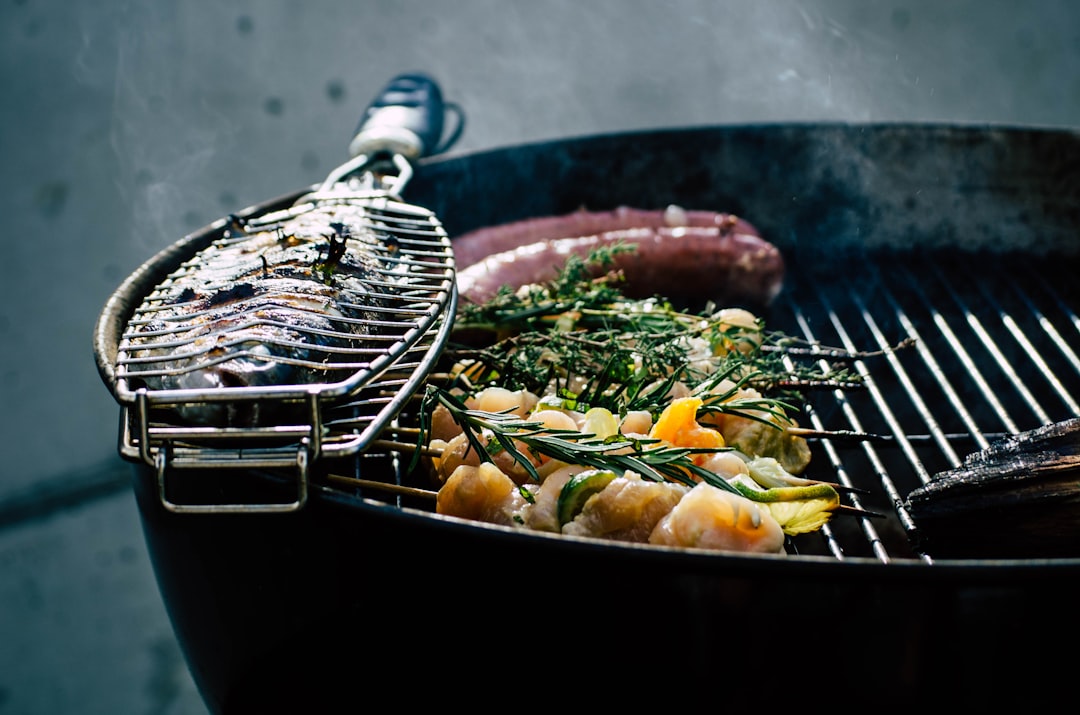
Grilling isn’t just for burgers. When you grill vegetables, you add a layer of smoky complexity that’s impossible to replicate indoors. It’s perfect for summer, but with a stovetop grill pan, you can do it year-round. Zucchini slices, bell pepper strips, asparagus spears, and eggplant rounds are my favorites. Brush them generously with oil to prevent sticking and flare-ups. Grill over high heat for 2-4 minutes per side, depending on thickness. You want distinct grill marks and tender flesh. The pros? Smoky flavor, beautiful presentation, and no need to heat up the whole house. The cons? Weather-dependent if you’re outside, and you need access to a grill or grill pan. Apartment dwellers might find it less practical unless they have a balcony grill. This method is best for outdoor enthusiasts and those who love bold, charred flavors. It’s also great for meal prepping ahead of time. Just don’t overcook them; grilled veggies should still have some bite. For more summer grilling ideas, see our guide on summer grilling essentials.
Putting It All Together
So, how do you actually start? First, pick one method and master it. Don’t try to learn all four at once. If you’re a beginner, start with sautéing—it’s the most forgiving. Once you’re comfortable, try roasting for that flavor boost. Next, buy fresh, seasonal produce. A summer tomato tastes better than a winter one, no matter how you cook it. Then, experiment with seasonings. Salt is non-negotiable, but think about acids too—a squeeze of lemon or a splash of vinegar at the end brightens everything up. Practice each method a few times. You’ll learn by doing. Finally, make vegetables a regular part of your meals. Start with one vegetable dish per day, then build from there. By understanding these techniques, you transform your kitchen from a place of obligation to a place of creativity. You’re not just cooking; you’re crafting flavor. Whether you’re eating healthier or just want to impress your friends, these skills make a real difference. Start tonight. Pick a vegetable, pick a method, and get cooking.