Some of the links in this article are "affiliate links", a link with a special tracking code. This means if you click on an affiliate link and purchase the item, we will receive an affiliate commission.
The price of the item is the same whether it is an affiliate link or not. Regardless, we only recommend products or services we believe will add value to our readers.
By using the affiliate links, you are helping support our Website, and we genuinely appreciate your support.
Getting Started with Your Kitchen Setup
When you’re setting up a kitchen for the first time, it can feel a bit overwhelming. But don’t worry, I’ve been there, and with a little guidance, you’ll have a functional and efficient kitchen in no time. The key is to focus on the essentials first and gradually build up your collection as you discover what you need.
Essential Tools and Equipment
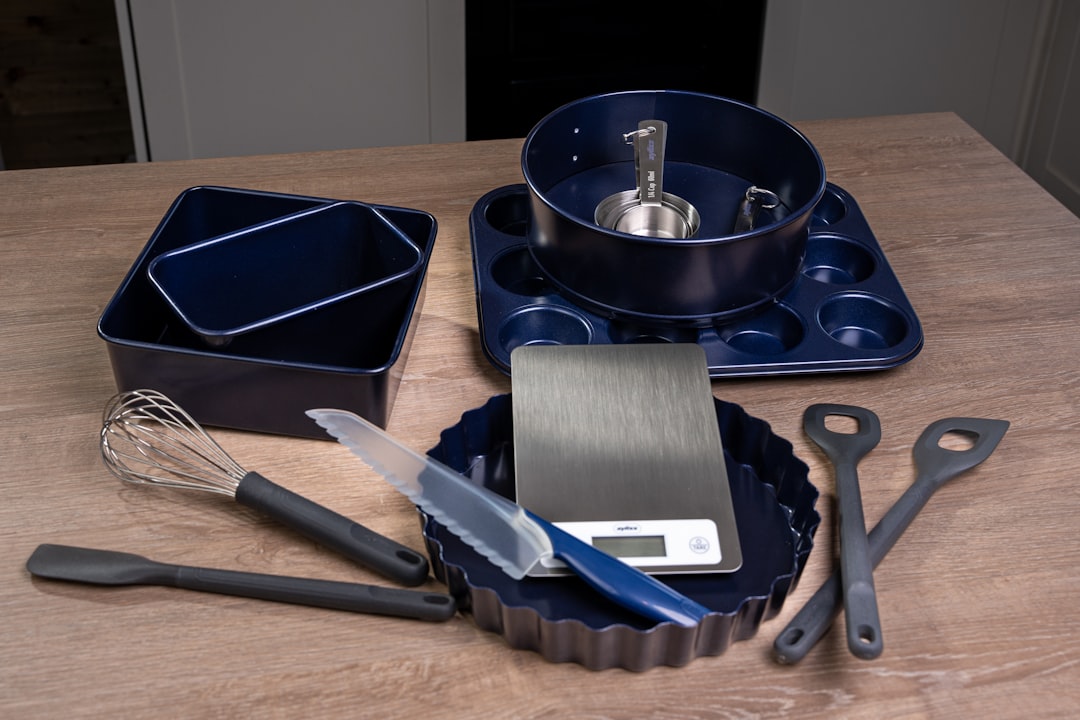
Research shows that having the right tools can significantly enhance your cooking experience. Begin with the basics: a good chef’s knife, a cutting board, and a set of pots and pans. Studies indicate these items are crucial for most cooking tasks. It’s worth investing in quality here, as they’ll be your daily companions.
Knives and Cutting Boards
A sharp, reliable chef’s knife is indispensable. Data suggests that dull knives are more dangerous than sharp ones, so keep it honed. Pair it with a sturdy cutting board—opt for wood or bamboo, as research shows these materials are gentler on knives.
Pots and Pans
For pots and pans, a non-stick skillet and a medium-sized saucepan are a good start. Stainless steel is durable and versatile, according to studies. As you get more comfortable, you might add a cast iron skillet, which research indicates is excellent for searing.
Organizing Your Space
Organization is key to a smooth workflow in the kitchen. Experts suggest keeping frequently used items within easy reach and grouping similar items together. This setup not only saves time but also reduces stress, as indicated by numerous studies on kitchen ergonomics.
Storage Solutions
Consider investing in some storage solutions like drawer dividers and shelf organizers. Data suggests these can help maximize space and keep your kitchen tidy. Clear containers for pantry items are also useful, allowing you to see what’s available at a glance.
Stocking Your Pantry
Having a well-stocked pantry is a lifesaver for quick meals. Start with staples like rice, pasta, canned tomatoes, and beans. Research shows these items are versatile and form the base of many dishes. As you cook more, you’ll learn which spices and condiments you use most frequently.
Spices and Condiments
Spices are the soul of a dish. Studies indicate that a basic set of spices like salt, pepper, garlic powder, and paprika can elevate your cooking. As you experiment, gradually expand your collection to include herbs and specialty spices.
Appliances: What You Really Need
While it’s tempting to go all out with appliances, start simple. A reliable blender and a toaster are often sufficient for beginners. Research shows that these appliances cover a wide range of uses from smoothies to quick breakfasts.
Advanced Appliances
As your skills grow, you might consider adding a food processor or a slow cooker. Studies indicate these can significantly enhance your cooking repertoire, allowing for more complex dishes with ease.
Final Thoughts
Setting up your kitchen is a journey, not a destination. Start with the essentials and gradually expand as your skills and confidence grow. Remember, every cook’s kitchen is unique, shaped by personal preferences and cooking styles. Take it one step at a time, and enjoy the process of creating meals that nourish and delight.