Some of the links in this article are "affiliate links", a link with a special tracking code. This means if you click on an affiliate link and purchase the item, we will receive an affiliate commission.
The price of the item is the same whether it is an affiliate link or not. Regardless, we only recommend products or services we believe will add value to our readers.
By using the affiliate links, you are helping support our Website, and we genuinely appreciate your support.
Understanding Meal Prep Containers
Meal prep containers have become a staple in many kitchens, especially for those looking to save time and eat healthier. They’re designed to store meals efficiently, making it easier to stick to dietary goals. But with so many options available, choosing the right one can be overwhelming.
Types of Meal Prep Containers
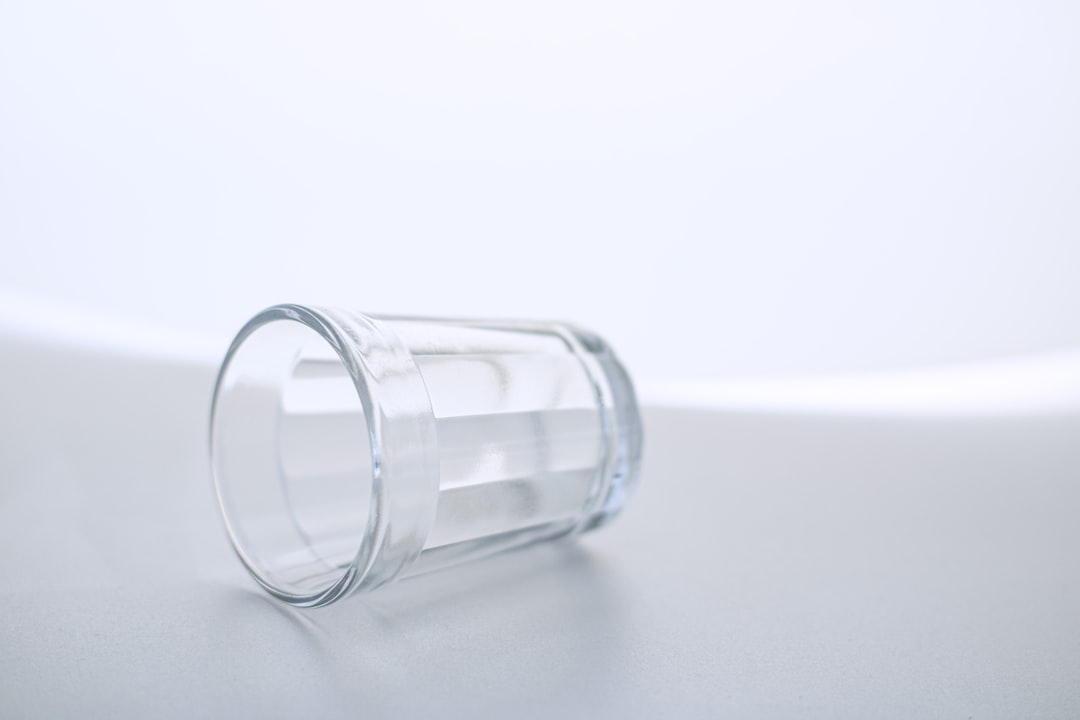
When it comes to meal prep containers, there are several types to consider. Glass containers are popular for their durability and ability to handle both hot and cold foods. They don’t absorb odors like plastic can, which is a plus. On the other hand, plastic containers are lightweight and often more affordable, but they may not last as long. Stainless steel is another option, known for its sturdiness and environmental friendliness, though it can be pricier.
Factors to Consider
Choosing the right container depends on several factors. Consider the size and shape that best fits your storage needs. If you’re prepping meals for a week, larger containers might be useful. For daily lunches, smaller, compartmentalized containers could be ideal. Also, think about the ease of cleaning; dishwasher-safe options can save a lot of time.
Benefits of Meal Prep Containers
Research shows that using meal prep containers can help with portion control, which is crucial for managing weight and maintaining a balanced diet. Studies indicate that people who prepare meals in advance tend to make healthier food choices. Plus, having meals ready reduces the temptation to opt for fast food.
Practical Tips for Using Meal Prep Containers
From my experience, labeling containers with dates can help keep track of freshness. Also, stacking containers in the fridge can maximize space, but ensure they’re airtight to prevent leaks. It’s wise to invest in containers that are both microwave and freezer safe for versatility.
Cleaning and Maintenance
Proper maintenance extends the life of your meal prep containers. Glass and stainless steel are generally easier to clean and less likely to retain stains or odors. For plastic, avoid using harsh detergents and high temperatures to minimize wear. Regularly inspect lids and seals to ensure they’re in good condition.
Environmental Considerations
Data suggests that choosing reusable meal prep containers can significantly reduce waste compared to single-use options. Glass and stainless steel are particularly eco-friendly choices. If you opt for plastic, look for BPA-free options to minimize health risks.
Finding the Right Balance
Ultimately, the best meal prep container is one that fits your lifestyle and budget while meeting your dietary needs. It’s worth experimenting with different types to see what works best for you. Remember, the goal is to make meal prep easier and more efficient, not to complicate it.