Some of the links in this article are "affiliate links", a link with a special tracking code. This means if you click on an affiliate link and purchase the item, we will receive an affiliate commission.
The price of the item is the same whether it is an affiliate link or not. Regardless, we only recommend products or services we believe will add value to our readers.
By using the affiliate links, you are helping support our Website, and we genuinely appreciate your support.
Understanding Kitchen Safety Basics
When it comes to cooking, safety is often overlooked in the rush to get meals on the table. However, research shows that kitchen accidents are a leading cause of home injuries. It’s crucial to understand the basics of kitchen safety to prevent these mishaps. The kitchen, with its sharp tools and hot surfaces, requires a mindful approach to ensure a safe environment.
Handling Sharp Objects with Care
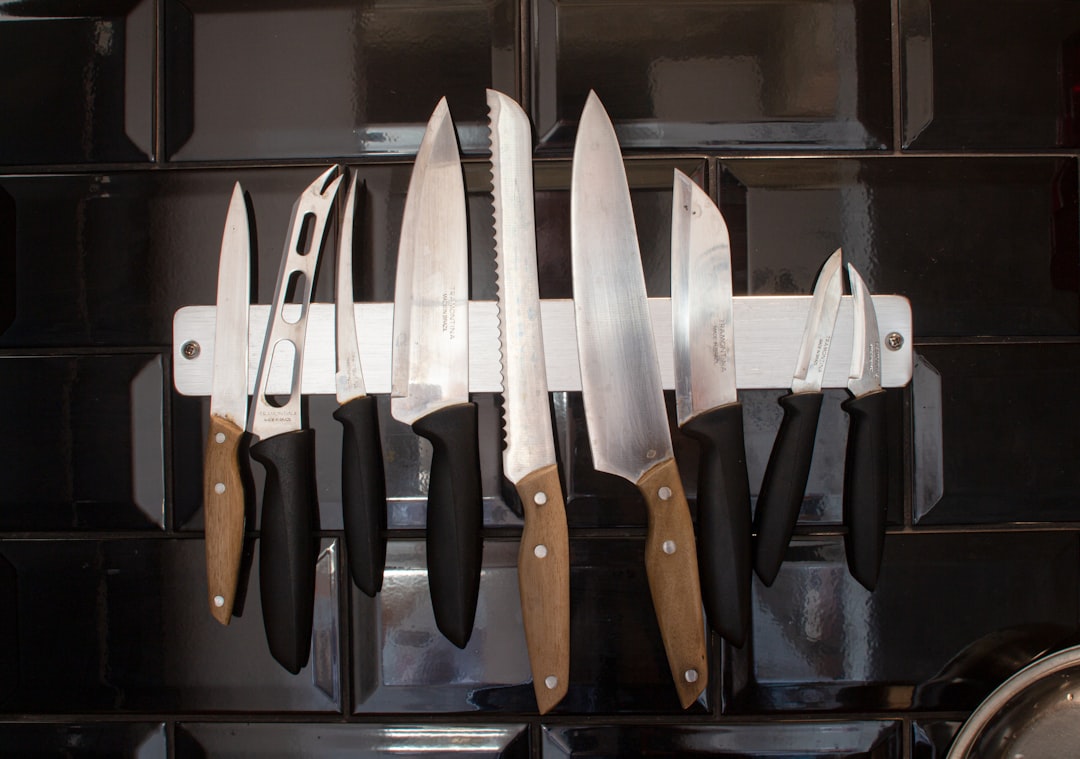
Kitchen knives are essential tools but can be dangerous if not used correctly. Studies indicate that most knife-related injuries occur due to improper handling or dull blades. Keeping your knives sharp not only improves efficiency but also reduces the risk of accidents. Always cut away from your body and store knives safely to avoid unintended injuries.
Fire Safety in the Kitchen
Cooking fires are a common hazard, with data suggesting that unattended cooking is the primary cause. It’s important to stay in the kitchen while cooking, especially when using high heat. Having a fire extinguisher nearby and knowing how to use it can be life-saving. Regularly checking smoke alarms ensures you’re alerted in case of a fire.
Preventing Burns and Scalds
Hot surfaces and liquids pose a significant risk for burns and scalds. Research shows that using pot holders and oven mitts can significantly reduce burn injuries. Be cautious when lifting lids from hot pots, as steam can cause severe burns. Remember to turn pot handles inward to prevent accidental knocks.
Maintaining Cleanliness and Hygiene
A clean kitchen is not just about aesthetics; it plays a crucial role in preventing foodborne illnesses. Studies indicate that regular cleaning of surfaces and utensils reduces the risk of contamination. Use separate cutting boards for raw meat and vegetables to avoid cross-contamination. Proper handwashing is essential before and after handling food.
Child Safety in the Kitchen
Children are naturally curious and may not understand the dangers present in the kitchen. Data suggests that keeping hazardous items like knives and cleaning products out of reach can prevent accidents. Additionally, teaching children about kitchen safety from a young age helps instill good habits.
Conclusion: Creating a Safe Kitchen Environment
Creating a safe kitchen environment is about being aware and taking proactive measures. By understanding the risks and implementing these practical tips, you can significantly reduce the likelihood of accidents. Remember, a safe kitchen is a happy kitchen.