Some of the links in this article are "affiliate links", a link with a special tracking code. This means if you click on an affiliate link and purchase the item, we will receive an affiliate commission.
The price of the item is the same whether it is an affiliate link or not. Regardless, we only recommend products or services we believe will add value to our readers.
By using the affiliate links, you are helping support our Website, and we genuinely appreciate your support.
Setting Up Your Kitchen: The Basics
I still remember the first time I tried to chop an onion without crying. I was standing in my old apartment kitchen, which smelled faintly of burnt toast and despair, holding a knife that cost me $8 at a discount store. The blade was so dull it mashed the onion rather than slicing it, releasing enough sulfur gas to make my eyes water like a madman. I spent twenty minutes wrestling with one vegetable, and when I finally got it done, the pieces were so uneven that half burned while the rest remained raw. That night, I swore I’d never cook again. Turns out, I just needed a better knife.
Here’s the thing about kitchen tools: you don’t need a showroom to cook well. You just need the right basics. The first and most important investment is a chef’s knife. I know, I know, the marketing says you need a set of six. But trust me, a single, sharp, well-balanced 8-inch knife is enough for 90% of your tasks. I picked up my current favorite—a Japanese high-carbon steel knife—for around $45. It fits my hand like it was cast specifically for it, and it holds an edge much longer than my old German counterpart. If you’re on a budget, a Victorinox Fibrox Pro is legendary among home cooks for a reason. It’s about $20, and it’ll get the job done just fine.
Keep it sharp. A dull knife is dangerous because it requires more force, which means more slip. I use a honing steel every time I cook, which takes about thirty seconds. It realigns the edge. For actual sharpening, I send it out once or twice a year, or use a whetstone if I’m feeling adventurous. This one habit changed my cooking game more than any gadget ever could.
The Importance of Quality Cookware
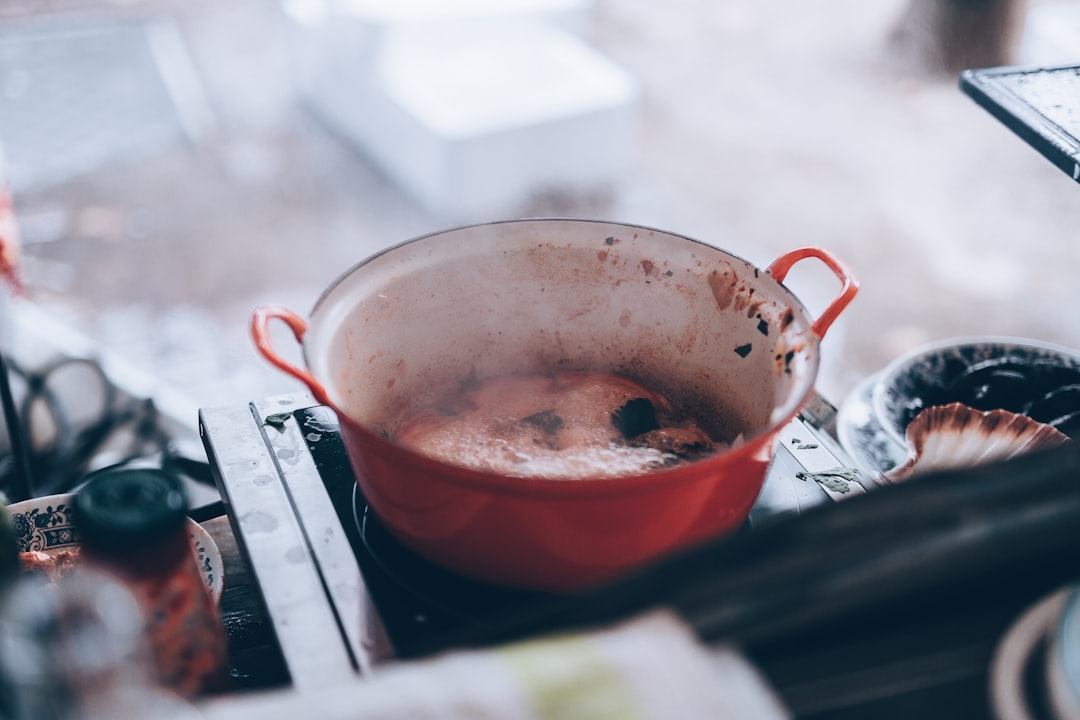
When I started out, I bought a non-stick set that promised everything would slide right off. Two years later, the coating was peeling, and I was eating Teflon flakes with my scrambled eggs. Now, I lean on two main pieces of cookware: a cast iron skillet and a heavy-bottomed stainless steel pot.
My cast iron skillet is a 12-inch Lodge. I bought it for $25 at a thrift store, and it came with a layer of black gunk on the bottom. I scrubbed it, seasoned it, and now it’s my go-to for everything from searing steaks to baking cornbread. Cast iron retains heat like a champ. If you want a perfect crust on a chicken breast, nothing beats it. It’s also incredibly durable. I’ve dropped mine twice, and it still looks great. Just remember: no soap if you can help it, dry it thoroughly, and oil it occasionally. It’s not high maintenance; it just needs a little love.
For simmering, I use a 4-quart stainless steel saucepan with an aluminum or copper core. The heavy bottom prevents hot spots, which means your sauces won’t burn. I make a simple tomato marinara every week, and with a thin-bottomed pan, the sugar in the tomatoes sticks to the bottom in under ten minutes. With my heavy pot, it takes thirty minutes without incident. Don’t sleep on this. A good pot costs around $60–$80, but it will outlast three cheap ones.
That said, you don’t need fancy ceramic pans or titanium pots. Stick to stainless steel and cast iron. They’re workhorses. They handle high heat, they’re oven-safe, and they don’t leach chemicals into your food. Plus, they look nice on the stove if you’re hosting dinner.
Essential Utensils: Tools You Can’t Live Without
Utensils are where people overspend. I’ve seen bamboo sets with twelve pieces for $40. Do you really need a pasta fork? A slotted spoon? A pizza cutter? Maybe. But the truth is, you only need a few reliable tools.
First, a wooden spoon. I use mine for stirring risotto, sautéing vegetables, and mixing batter. Wood doesn’t conduct heat, so it won’t melt your handles, and it’s gentle on non-stick surfaces. I’ve had mine for five years, and it’s still solid. Just soak it if it gets dirty, don’t put it in the dishwasher, and you’re good.
Next, a sturdy spatula. I prefer silicone over rubber because it handles higher heat. I use it for flipping pancakes, scraping bowls, and stirring soups. Look for one with a thick handle that doesn’t flex. A flimsy spatula is frustrating when you’re trying to fold egg whites.
And then there’s the microplane. I’ll be honest: I didn’t think I needed one. I used a box grater for everything. But then I tried zesting a lemon for a recipe, and it took five minutes and a lot of elbow grease. The microplane does it in ten seconds. It’s also amazing for grating hard cheeses like Parmesan or nutmeg for baking. I keep mine on the counter, and I reach for it constantly. It costs about $10, and it’s worth every penny.
I also swear by a good pair of kitchen shears. I use mine to snip herbs, cut chicken bones (yes, really), and open packages. It’s one of those tools I didn’t know I needed until I had it. Keep them sharp, and clean them immediately after use. Dried food stuck to the blades is a pain to remove.
Small Appliances: Worth the Counter Space
I’m generally against clutter. But some appliances earn their keep. The first is a food processor. If you make hummus, pesto, or pie dough regularly, this is a lifesaver. Chopping onions and garlic by hand takes time. In a food processor, it’s done in seconds. I have a Cuisinart 14-cup model. It’s bulky, but I keep it under the counter and only bring it out when needed. It’s worth the storage space.
Then there’s the blender. I use mine almost daily for smoothies, but also for soups and sauces. If you’re interested in Healthy Lifestyle Changes For Better Energy, a good blender is essential for quick, nutritious meals. I use mine to make roasted red pepper soup by blending hot vegetables directly in the pot—just remove the center cap and cover with a towel. It’s safe and easy. Just don’t buy the cheapest blender you can find. A motorized blender that can handle ice is key. I spent about $100 on mine, and it’s still going strong after three years.
Air fryers are trendy, but I’m on the fence. If you have small kids or eat fried food often, it’s handy. But if you have a good oven, you can roast things just as well. I keep mine because I use it for reheating leftovers—it makes toast and fries crispy again. But it’s not essential.
Storage Solutions: Keeping Your Kitchen Organized
A messy kitchen makes cooking stressful. I learned this the hard way when I couldn’t find a measuring cup in the middle of baking cookies. Now, I keep it simple.
Clear containers are my best friend. I use glass containers with airtight lids for leftovers and dry goods. Seeing what’s inside saves time and reduces waste. I store my flour, sugar, and rice in these, and I can see when I’m running low. They stack neatly in the pantry, which keeps things tidy.
For knives, I use a magnetic strip on the wall. It saves drawer space and keeps my knives within reach. I bought a simple oak strip for $15, and it’s held up great. Just make sure it’s mounted into a stud so it doesn’t pull off the wall. It’s also a safety feature; my kids can see the knives and don’t dig around in a drawer.
I also recommend a good cutting board. I have two: one for meat and one for vegetables. This prevents cross-contamination. I use a thick wooden board for chopping and a plastic one for raw chicken. Plastic is easier to sanitize in the dishwasher. Wood is nicer for presentation, but it needs oiling. I rotate them, and I’m happy with my setup.
Personal Touches: Making Your Kitchen Your Own
Finally, make your kitchen feel like home. I keep fresh herbs on the windowsill. Basil, thyme, rosemary—they add color and flavor. If you don’t have a sunny spot, a small LED grow light works too. I also keep a bowl of fruit on the counter. It’s a reminder to eat healthy, and it looks inviting. When guests come over, they see fresh food, not just clutter.
Don’t forget about your spices. I have a spice rack next to my stove. Keeping them within reach means I’m more likely to use them. If your spices are buried in the back of a cabinet, they’ll gather dust. I replace mine every year to ensure they’re potent. Fresh spices make a huge difference in flavor.
Your kitchen should reflect your style. If you love baking, maybe you need a stand mixer. If you eat a lot of grain bowls, a rice cooker is worth it. It’s all about what you actually use. I’ve been making Foods That Strengthen Your Immune System for years, and my kitchen tools have evolved to support that. I don’t need fancy gadgets; I need reliable ones.
Start with the basics. A good knife, a sturdy pan, and a few utensils. Add things as you discover what you need. Your kitchen will grow with you. And remember, it’s okay to make mistakes. My first attempt at sourdough bread was a brick. But after ten tries, I nailed it. Keep practicing, and you’ll find your rhythm.
FAQs
What is the most important kitchen tool?
A sharp chef’s knife. It makes prep faster and more enjoyable. If you have to struggle with your food, you’re less likely to cook.
Do I need a food processor?
Not necessarily. But if you cook with vegetables or make sauces often, it saves time. Start with a knife and cutting board, then add it later.
How often should I replace my knives?
If they hold an edge, you don’t need to replace them. Sharpen them regularly. I’ve used my main knife for five years and haven’t bought a new one.
Ultimately, cooking is about practice and passion. Your tools are just helpers. Start simple, stay organized, and enjoy the process. And if you’re curious about what you’re eating, check out My Take on Why Eating the Rainbow Is Not Just A Saying to understand the benefits of colorful produce.