Some of the links in this article are "affiliate links", a link with a special tracking code. This means if you click on an affiliate link and purchase the item, we will receive an affiliate commission.
The price of the item is the same whether it is an affiliate link or not. Regardless, we only recommend products or services we believe will add value to our readers.
By using the affiliate links, you are helping support our Website, and we genuinely appreciate your support.
The Time I Nearly Ruined a Roast Chicken
I still remember the smell of my first attempt at roasting a whole chicken. It wasn’t the warm, savory aroma of golden skin and juicy meat that I was hoping for. Instead, the kitchen smelled like salty cardboard. I had dumped a full tablespoon of standard table salt onto the bird, assuming that since salt is good, *more* salt must be better. The result? A tough, desiccated chicken that tasted like a pretzel. I stood there, fork in hand, wondering if I had accidentally learned the wrong lesson about cooking.
That disaster taught me something far more valuable than any recipe book could offer: seasoning isn’t just about adding flavor. It’s about listening to your food. If you’ve ever felt like your meals are bland no matter how many spices you throw in, you’re not alone. I’ve been cooking at home for over a decade, and I’m still refining my palate. But I’ve learned that the difference between a “meh” dinner and a dinner that gets scraped clean usually comes down to understanding the science of taste and knowing when to stop.
Whether you’re whipping up a quick weeknight pasta or trying to master 10 Essential Kitchen Tools Every Beginner Needs like a proper whisk and a sharp chef’s knife, the foundation is always the same. It’s all about balance. And honestly, once you get the hang of it, cooking becomes less like a chore and more like a conversation with your ingredients.
Salt: It’s Not Just a Condiment
Let’s talk about salt first, because it’s the heavy lifter in every dish. Salt does two things: it makes things taste like themselves, and it changes texture. When you salt vegetables before cooking them, it draws out moisture, which helps them brown better. When you salt meat, it penetrates the fibers, keeping them juicy.
But not all salt is created equal. I used to use standard iodized table salt from the blue box. Turns out, it has an anti-caking agent that can leave a metallic aftertaste if you use too much. Now, I keep kosher salt (like Diamond Crystal) on my counter. It’s easier to pinch and distribute evenly. According to the USDA, sodium is an essential mineral, but most of us get way more than we need. The trick isn’t to cut it out, but to use it wisely.
Start with a small pinch. I always say, “start under, finish over.” If your sauce tastes flat, it’s likely missing salt, not more spice. Taste it. Add a tiny amount. Wait ten seconds. Taste again. Your tongue needs a moment to register the change. If you’re worried about your sodium intake, remember that a well-salted dish allows you to use less salt overall because the flavor is more intense. Plus, proper seasoning can help you feel more satisfied, which ties into those Healthy Lifestyle Changes For Better Energy we’re all chasing.
Herbs vs. Spices: Know the Difference
Here’s a rule of thumb that saved me from many culinary disasters: herbs are the leaves, stems, and flowers of plants. Spices come from the roots, bark, seeds, or berries. This distinction matters because they release their flavors at different rates.
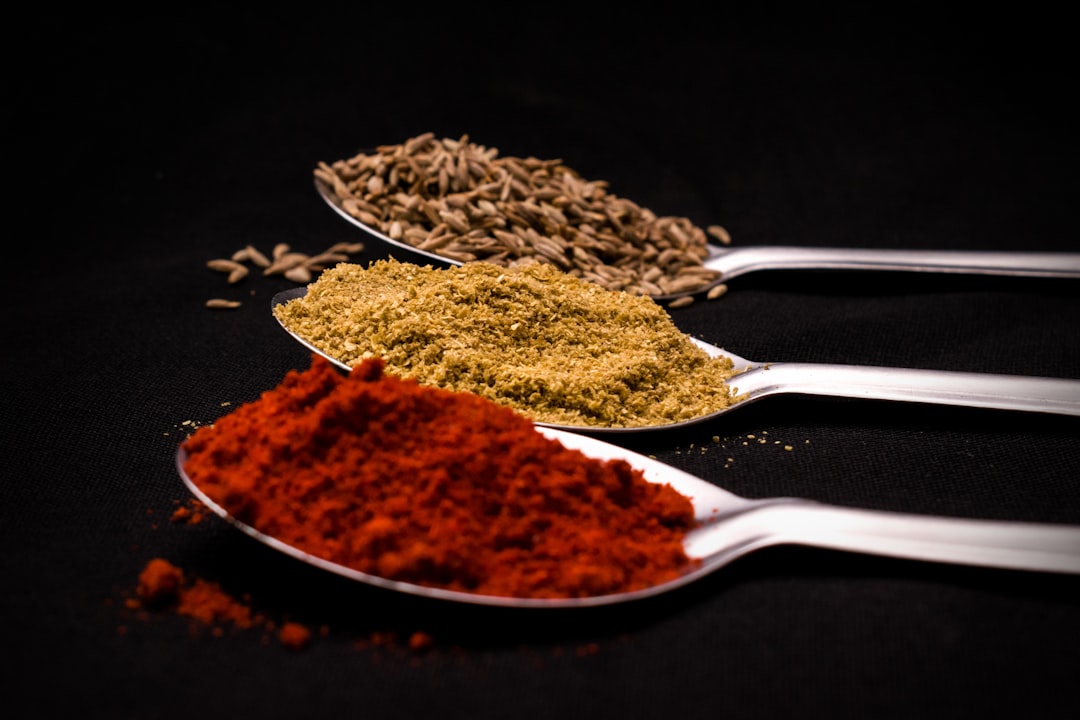
I’ve got a friend who loves fresh cilantro. He’ll throw it into a hot stir-fry at the very end. The result? Bright, fresh, and vibrant. But if he throws it in at the start, it turns into gray, wilted sludge. On the flip side, dried cumin or paprika needs time to wake up. I usually toast my dried spices in a dry pan for 30 seconds before adding them to oil. This releases the essential oils and makes the flavor pop.
Don’t be afraid to mix them. A dish might start with dried cumin for base warmth, finish with fresh parsley for brightness, and have a hint of lemon zest for acidity. It creates layers. If you’re looking to boost your health along the way, check out these Foods That Strengthen Your Immune System like garlic, ginger, and turmeric—spices that are as good for you as they are delicious.
The Magic of Balance: Acid and Heat
If you taste a dish and think, “It’s missing something,” but you’ve already added salt and it still feels flat, it’s probably missing acid. Acid is the secret weapon in home cooking. A squeeze of lemon juice, a splash of vinegar, or even a dash of wine can cut through richness and make flavors sing.
I remember making a tomato soup last week. It tasted perfect until I added a teaspoon of balsamic vinegar. Suddenly, the tomatoes tasted like actual tomatoes, not just red water. It was a revelation. Acid brightens salty dishes, while sweetness mellows out bitterness. If your greens taste bitter, a drizzle of honey or maple syrup fixes it. If your chili is too spicy, a bit of dairy or sugar can tame the heat.
This balancing act is why I love My Take on Why Eating the Rainbow Is Not Just A Saying. Each color brings different nutrients, but it also brings different flavor profiles. Red tomatoes bring acid. Green basil brings herbal notes. Yellow peppers bring sweetness. When you combine them, you’re building a complex, satisfying meal.
Seasoning Techniques: When to Add What
Timing is everything. Adding spices at the wrong time can make your dish taste dusty or bitter. Here’s a simple framework I use:
- Base Seasoning: Salt and pepper on proteins or vegetables before they hit the pan. This seasons from the inside out.
- Aromatics: Garlic, onions, ginger, and dried spices go in early. They need oil and heat to release their flavors. Sauté them gently for 2-3 minutes until fragrant.
- Finishing Herbs: Fresh, delicate herbs like basil, cilantro, and dill go in at the very end, or even after the pan is off the heat. Cooking them too long destroys their flavor.
- Acid Finish: Lemon juice or vinegar goes in at the very end, right before serving. This preserves the brightness.
It’s a process, so don’t stress if you mess up once in a while. I once added vinegar to a stew five minutes before serving, and it tasted sour. The next time, I added it halfway through cooking, and the acidity mellowed into a deep, rich background note.
Common Mistakes (and How to Fix Them)
Over-salting is the big one. If you’ve done it, don’t panic. Add an acid (like lemon juice) or a fat (like cream or olive oil). These can mask the saltiness. You can also add a neutral ingredient, like more vegetables or potatoes, to dilute the salt.
Under-seasoning is easier to fix. Just add a little more salt or acid, taste, and repeat. But be patient. If you add salt and taste immediately, you might add too much because your palate hasn’t caught up yet.
Another mistake is using old spices. If your cumin smells like dust, it tastes like dust. I replace my spice jars every 6-12 months. It’s a small investment—most jars cost between $5 and $15—but it makes a huge difference.
Trust Your Palate
At the end of the day, seasoning is personal. Some people like their food salty. Others prefer it subtle. The key is to taste as you cook. Don’t wait until the dish is plated. Taste the sauce while it simmers. Taste the seasoning on the raw meat. Adjust as you go.
It’s a journey, not a destination. You’ll have bad days. You’ll have meals that are too salty, too spicy, or too bland. But you’ll also have moments where you take one bite and think, “Wow, this is good.” That’s the hook. That’s why we keep cooking. And if you want to feel even better after that great meal, read up on Signs You Need To Detox Your Body to see how proper hydration and balanced meals can help you recover.
So, go ahead. Grab that lemon. Sprinkle some salt. Taste. Adjust. And enjoy the process.