Some of the links in this article are "affiliate links", a link with a special tracking code. This means if you click on an affiliate link and purchase the item, we will receive an affiliate commission.
The price of the item is the same whether it is an affiliate link or not. Regardless, we only recommend products or services we believe will add value to our readers.
By using the affiliate links, you are helping support our Website, and we genuinely appreciate your support.
The Pantry Crisis: My Tuesday Night Olive Oil Fiasco
It was 7:30 PM on a random Tuesday, and I was attempting to make a simple pan-seared salmon with asparagus. I reached for the bottle I’d bought at the fancy market for $18, assuming it was high-quality extra virgin olive oil. I cranked the burner to medium-high, threw in the fillet, and within ninety seconds, the kitchen looked like it had gone through a minor fog bank. The oil was smoking. The salmon wasn’t searing; it was steaming in its own juices while the oil broke down into a bitter, acrid haze. I scraped it into a bowl, tasted it, and winced. It tasted like cardboard and regret. That night, I realized something most of us ignore until our food tastes wrong: not all oils are created equal, and using the wrong one doesn’t just hurt your flavor profile—it hurts your health.
Choosing the right cooking oil is arguably the most underrated decision a home cook makes. We obsess over knife skills, we argue about the perfect cut of meat, but we throw around vegetable oil or a questionable olive oil without a second thought. The oil you choose influences the nutritional value of your meal, impacts your heart health, and completely alters the taste of your food. If you use a high-heat oil for a delicate salad dressing, you get a greasy mess. If you use a delicate oil for deep frying, you get toxic compounds and a burnt taste. According to the USDA, fats are essential for absorbing vitamins A, D, E, and K, but the *type* of fat matters immensely. Picking the wrong oil can lead to unhealthy eating habits over time, while picking the right one can make a $5 meal taste like it cost $50. It’s time to stop guessing and start understanding what’s actually in that bottle.
Olive Oil: The Heart-Healthy Workhorse (With Caveats)
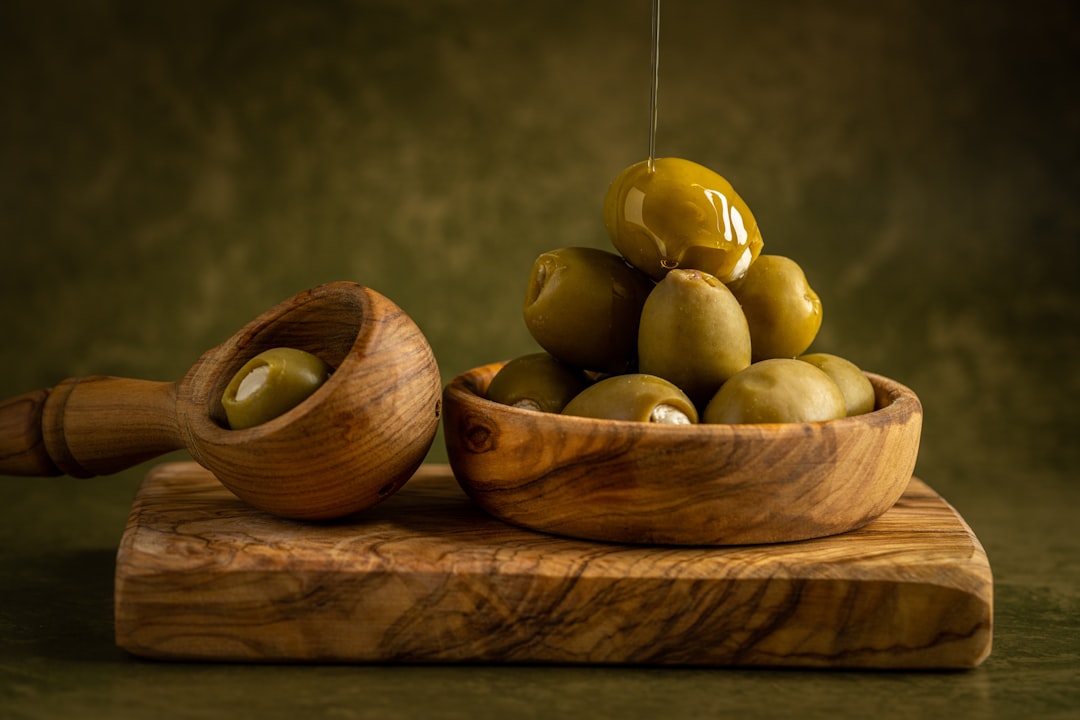
Let’s talk about the big one: olive oil. It’s the gold standard for a reason. Rich in monounsaturated fats, particularly oleic acid, olive oil is linked to reduced inflammation and better heart health. I’ve been using extra virgin olive oil (EVOO) for my entire career, but I’ve made the mistake of assuming “extra virgin” means “works for everything.” It doesn’t. High-quality EVOO, like the 500ml bottle I keep from a small producer in Tuscany that costs about $12, has a smoke point hovering around 375°F (190°C). This means it’s perfect for sautéing vegetables, finishing a pasta dish, or drizzling over a caprese salad. The flavor is robust, grassy, and peppery—exactly what you want in a Mediterranean dish.
However, if you try to sear a steak in EVOO on high heat, it will burn. Once that oil smokes, it releases free radicals, which are bad for your cells. So, while it’s the best option for health-conscious cooks who enjoy bold flavors, it’s not the most versatile. You should avoid it if you’re looking for a neutral oil for baking or a cheap option for deep frying. For those who prioritize heart health and want to infuse their food with genuine flavor, EVOO is non-negotiable. Just remember to buy dark bottles to protect it from light, and store it in a cool, dark cupboard, not right next to your stove where the heat degrades it faster.
Coconut Oil: The Tropical Contender
Coconut oil has had a massive moment in the culinary world, thanks largely to the keto and paleo diets. It’s solid at room temperature, which makes it incredibly useful for baking. When I make my morning pancakes, I swap out butter for refined coconut oil, and it gives the batter a lightness that butter sometimes misses. It also has a surprisingly high smoke point—refined coconut oil can handle up to 400°F (204°C)—making it suitable for frying eggs or stir-frying veggies without burning.
But here’s the catch: it’s high in saturated fat. At roughly 82% saturated fat, it’s higher than butter. The Cornell Food Lab notes that while coconut oil raises HDL (good) cholesterol, it also raises LDL (bad) cholesterol. So, is it healthy? It depends on your overall diet. If you’re watching your saturated fat intake, stick to moderation. However, for those who love the unique tropical taste, it’s a game-changer. Unrefined (virgin) coconut oil tastes like actual coconuts, which might clash with your savory curry or your vanilla cake. Refined coconut oil is neutral, meaning you get the high heat stability without the coconut flavor. If you’re a fan of tropical flavors or need a stable fat for high-heat cooking, coconut oil is a solid choice. Just don’t treat it like a magic health elixir; it’s still fat, and calories count.
Canola Oil: The Budget-Friendly Blank Slate
Can’t break the bank? Canola oil is your best friend. It’s cheap—usually under $5 for a liter—and incredibly versatile. Its neutral taste means it won’t compete with your spices or ingredients, making it ideal for baking cakes or frying french fries. It also has a high smoke point of around 400°F (204°C), which is great for everyday cooking. If you’re making a large batch of pasta sauce that requires browning meat, canola oil does the job without adding any unwanted flavor notes.
The downside? Canola oil is often genetically modified and heavily refined. Some people prefer organic, non-GMO options, and for those folks, canola might not be worth it. Also, it has a higher omega-6 fatty acid content, which, in excess, can be pro-inflammatory. But for the average home cook who needs a multipurpose oil for roasting, frying, and baking, canola is hard to beat. It’s the reliable sedan of cooking oils—nothing fancy, but it gets you where you need to go without breaking a sweat. If you’re on a budget or just need a neutral oil for a recipe where flavor shouldn’t matter, grab the canola. Just try to buy the cold-pressed or organic version if you can find it, as it’s less processed and retains more nutrients.
How to Build Your Oil Arsenal
So, how do you decide which oil to buy? Start by identifying your primary cooking needs. Do you fry often? Do you dress salads daily? Do you bake weekly? Make a mental inventory. Next, consider health factors. If you have a history of heart disease, lean toward olive or avocado oil. If you’re vegan or avoiding dairy, coconut oil might fill the butter gap. Then, evaluate the flavor profile you want. Do you want your food to taste like the ingredients, or do you want to taste the oil?
Review your budget, too. You don’t need to buy the most expensive EVOO for frying; save that for finishing dishes. Finally, experiment. Buy small bottles of different oils and test them. See which ones smoke, which ones taste bitter, and which ones make your food sing. Keep an eye on oil smoke points to avoid burning your food, and check out our guide on healthy fats for more details. Remember, cooking is personal. What works for a professional chef might not work for your kitchen, your budget, or your palate.
The Verdict: Balance is Key
Choosing the right cooking oil isn’t about finding one perfect bottle. It’s about having a small arsenal of oils that serve different purposes. Keep a bottle of high-quality extra virgin olive oil for salads and low-heat cooking. Keep a neutral high-heat oil like avocado or refined coconut oil for searing and frying. And maybe keep a budget-friendly option like canola or grapeseed oil for when you’re cooking in bulk. By understanding the pros and cons of each, you can make informed decisions that enhance your culinary creations. Stop letting your oil choice ruin your dinner. Next time you’re in the kitchen, take a second to look at that bottle. Is it fresh? Is it right for the job? If the answer is yes, you’re already winning.