Some of the links in this article are "affiliate links", a link with a special tracking code. This means if you click on an affiliate link and purchase the item, we will receive an affiliate commission.
The price of the item is the same whether it is an affiliate link or not. Regardless, we only recommend products or services we believe will add value to our readers.
By using the affiliate links, you are helping support our Website, and we genuinely appreciate your support.
The Problem: Choosing the Right Salt
Salt is a staple in every kitchen, yet the variety available can be overwhelming. From table salt to Himalayan pink salt, each type claims unique benefits, leaving consumers unsure about which to choose for their cooking needs.
Why This Matters
Choosing the wrong type of salt can affect the taste and texture of your dishes. Additionally, some salts offer health benefits or drawbacks that could impact your dietary goals. Understanding these differences is crucial for anyone looking to optimize their cooking and health.
Exploring Different Types of Salt
Table Salt
Table salt is the most common type, often found in shakers on dining tables. It’s highly refined and typically contains added iodine, which is essential for thyroid health. However, its fine texture can lead to over-salting, and some argue that the additives may not be ideal for all.
Sea Salt
Sea salt is harvested from evaporated seawater and is less processed than table salt, retaining trace minerals that can enhance flavor. It’s available in various grain sizes, making it versatile for different culinary applications. However, its mineral content can vary, which might not suit everyone.
Himalayan Pink Salt
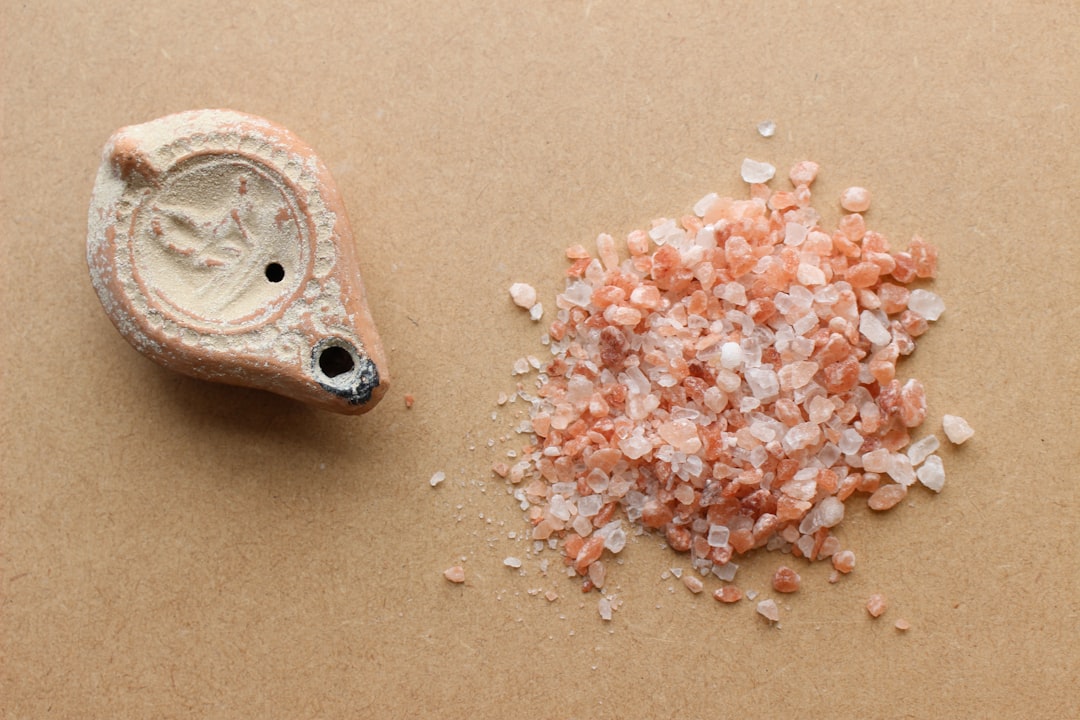
Known for its distinctive color, Himalayan pink salt is mined from ancient sea deposits. It’s praised for its mineral content and purported health benefits, including improved respiratory health and balanced pH levels. Yet, it’s often more expensive, and the health claims are not universally accepted.
Kosher Salt
Kosher salt is favored by chefs for its coarse texture, which is perfect for seasoning meats. It dissolves quickly, making it ideal for brining and curing. The downside is its lack of iodine, which could be a concern for those needing to maintain iodine levels.
Pros and Cons Summary
- Table Salt: Affordable and iodized but highly refined.
- Sea Salt: Mineral-rich and versatile but inconsistent mineral content.
- Himalayan Pink Salt: Mineral-rich and visually appealing but costly and potentially overhyped health claims.
- Kosher Salt: Great for cooking and texture but lacks iodine.
Solutions: Choosing the Right Salt for You
Implementation Steps
- Identify your dietary needs, such as iodine intake or mineral preferences.
- Consider the cooking applications, such as seasoning, baking, or finishing.
- Weigh the cost versus benefits, especially for specialty salts like Himalayan.
- Experiment with small quantities to find your preferred taste and texture.
Who Should Choose What
If you’re looking for a basic, affordable option, table salt might be your go-to. Those seeking a more natural taste and texture should explore sea salt or kosher salt. If your priority is health benefits and budget isn’t a constraint, Himalayan pink salt could be worth trying. Avoid Himalayan if you’re skeptical about health claims and prefer cost-effective options.