Some of the links in this article are "affiliate links", a link with a special tracking code. This means if you click on an affiliate link and purchase the item, we will receive an affiliate commission.
The price of the item is the same whether it is an affiliate link or not. Regardless, we only recommend products or services we believe will add value to our readers.
By using the affiliate links, you are helping support our Website, and we genuinely appreciate your support.
The Problem: Choosing the Right Salt
It was 7:30 PM on a rainy Tuesday, and I was standing over a pot of boiling pasta water, staring blankly at a row of four different salt containers lined up on my counter. There was the cheap white cylinder of iodized table salt, the coarse gray mound of kosher salt, the vibrant pink crystals of Himalayan salt, and a jar of flaky sea salt from the Mediterranean. I was making aglio e olio, a dish that relies entirely on the balance of fat, acid, and seasoning. My instinct was to grab the pink salt because it looked nice, but my gut whispered that it might be overkill for boiling water. This is the daily dilemma for home cooks. We’re sold the idea that salt is just salt, NaCl, but in reality, the crystal structure, grain size, and mineral content change how it hits your palate and dissolves in your pan. Choosing the wrong type isn’t just about aesthetics; it fundamentally alters the chemistry of your cooking.
If you use fine table salt where you need coarse kosher, you could easily over-season a dish by a factor of two or three because the volume differs significantly. On the flip side, using a delicate finishing salt on a steak before searing might result in uneven crust formation if the grains are too large and don’t draw out moisture efficiently. Understanding these nuances is what separates a meal that tastes “meh” from one that sings. It’s not about buying the most expensive jar; it’s about knowing which tool fits the job. For instance, if you’re brining a chicken, you need salt that penetrates quickly without clumping. If you’re finishing a chocolate cake, you need something that provides a sharp, clean crunch rather than a muddy, metallic taste. The market is flooded with health claims, from pH balance to trace minerals, which can be overwhelming. But at the end of the day, the goal is simple: enhance flavor without overpowering the ingredients or breaking the kitchen budget.
Why This Matters
The impact of salt selection ripples through every stage of cooking. It’s not just about taste; it’s about texture and chemical reaction. Take brining, for example. When you salt a roast, you’re drawing moisture out, which then dissolves the salt and gets reabsorbed, breaking down protein fibers. Coarse kosher salt is ideal here because it’s easier to handle and distribute evenly. If you swap it for fine table salt, you might end up with pockets of intense salinity because the tiny grains pack down so densely. A study by the Cornell Food Lab highlighted that the rate of dissolution matters when seasoning vegetables. Fine salt dissolves instantly on the surface, while coarse salt takes time to penetrate. This means the timing of your salt application changes based on the grain size.
Furthermore, health implications are real, though often exaggerated in marketing. Iodine deficiency is still a public health concern, making iodized table salt a practical choice for many households, yet chefs avoid it because the iodine can impart a bitter, metallic aftertaste, especially in delicate dishes like seafood or butter sauces. Then there’s the issue of sodium content by volume. Because table salt grains are smaller, a teaspoon of table salt contains significantly more sodium by weight than a teaspoon of kosher salt. This discrepancy can throw off your dietary tracking if you’re not paying attention. For someone monitoring their blood pressure, knowing that your “pinch” of kosher salt is actually less sodium than a “pinch” of table salt is vital. It’s about consistency in your kitchen. If you switch salt types mid-recipe without adjusting measurements, you risk ruining the dish. This is why understanding the physical properties of each salt helps us make smarter, more intentional choices rather than grabbing whatever is nearest to the stove, as detailed in our guide to food science basics.
Exploring Different Types of Salt
Let’s break down the big four, starting with the one sitting in your shaker right now: Table Salt. This is the highly refined white powder that has been stripped of almost all trace minerals. The main selling point is iodine, added to prevent goiter and support thyroid health. According to the USDA, iodized table salt is one of the most effective ways to combat iodine deficiency. However, it often contains anti-caking agents like sodium aluminosilicate to keep it flowing freely. These additives can leave a slight metallic tang in delicate dishes. The texture is its biggest drawback for cooking; it’s so fine that it clumps and disperses too easily, making it hard to control. It’s great for baking where precise volume measurements matter, but terrible for hand-salting a steak.
Next up is Sea Salt. Harvested from evaporated seawater, it retains trace minerals like magnesium and calcium, which give it a more complex flavor profile. You’ll find it in various textures, from fine to coarse. The flavor can vary wildly depending on the source—Mediterranean sea salt tastes different than Hawaiian black lava salt. It’s versatile, but the mineral content is inconsistent. You might get a jar today that tastes earthy and one next month that’s neutral. It’s a favorite for finishing dishes because it adds a subtle crunch and a hint of oceanic minerality. Unlike basic pantry staples, sea salt offers a unique terroir that can elevate simple ingredients.
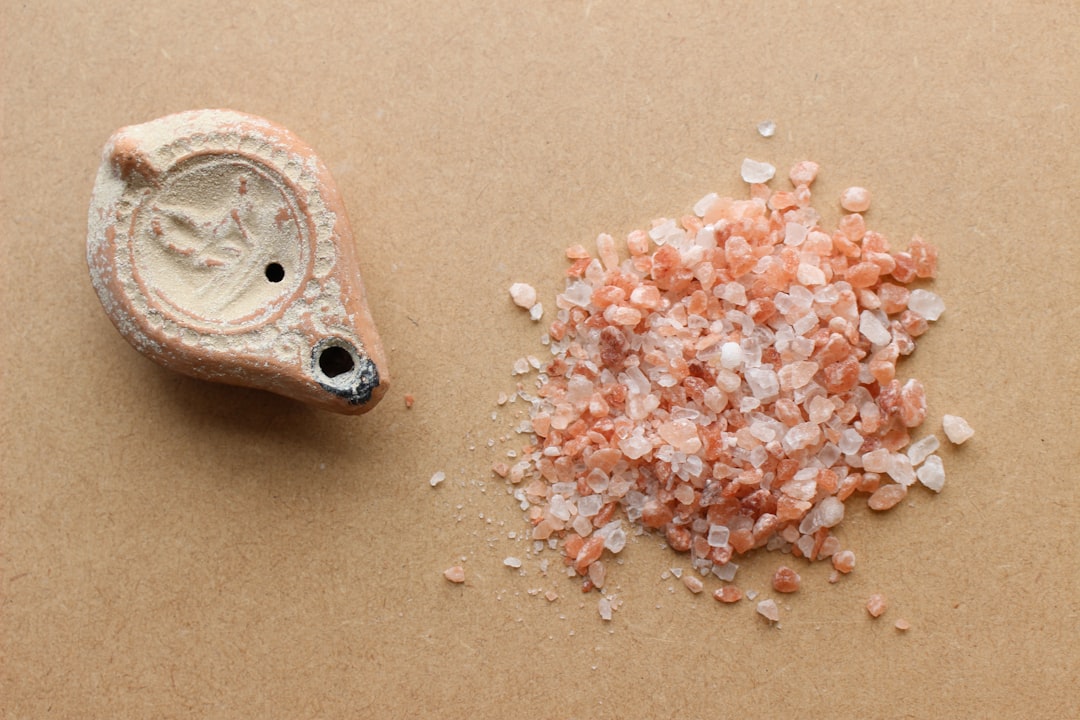
Himalayan Pink Salt is the celebrity of the salt world. Mined from ancient deposits in Pakistan, it gets its color from trace iron oxide. It’s marketed heavily for its health benefits, including improved hydration and respiratory health. While it does contain trace minerals, the amounts are negligible—you’d need to eat pounds of it to notice a difference. It’s beautiful, though, and the large crystals make for an impressive presentation. However, at $5 to $8 for a small jar, it’s expensive. It’s best used as a finishing salt or for carving blocks, not for general cooking. The aesthetic appeal often outweighs the functional utility, which is why it’s a common gift item for kitchen enthusiasts.
Kosher Salt is the chef’s best friend. It’s coarse, pure, and free of iodine and anti-caking agents. The name comes from its use in the koshering process, where it draws blood out of meat. Its irregular flakes dissolve at a moderate rate, giving you control. It’s perfect for seasoning during cooking because you can pinch it easily and feel the texture. The main downside? No iodine. If you rely on this as your primary salt, you might want to ensure you’re getting iodine from other dietary sources. It is the workhorse of any serious home cook’s pantry.
Pros and Cons Summary
- Table Salt: Affordable and iodized but highly refined with anti-caking agents.
- Sea Salt: Mineral-rich and versatile but inconsistent mineral content and flavor.
- Himalayan Pink Salt: Mineral-rich and visually appealing but costly and potentially overhyped health claims.
- Kosher Salt: Great for cooking and texture but lacks iodine.
Solutions: Choosing the Right Salt for You
So, how do you decide? It comes down to three things: your cooking style, your health needs, and your budget. Start by identifying your dietary needs. If you’re low on iodine, keep a container of iodized table salt in your pantry, but use it sparingly. If you eat a varied diet rich in seafood and dairy, you might not need the extra iodine from table salt, making kosher salt a safer bet for daily use. Next, consider the applications. For brining a turkey, you’ll want kosher salt for its ease of handling. For baking bread, where precise hydration and yeast activation depend on exact measurements, fine table salt or fine sea salt is often preferred by bakers for consistency. For finishing a salad or a piece of grilled fish, a flaky sea salt or Himalayan pink salt adds that necessary textural contrast, as discussed in our recipe techniques section.
Weigh the cost versus benefits. You don’t need to buy Himalayan salt for everything. A $2 jar of kosher salt will handle 90% of your cooking tasks better than a $10 bag of gourmet salt. Use the expensive stuff where it shines: as a garnish. Finally, experiment. Buy small amounts of different salts. Taste them raw. Sprinkle a few flakes on a slice of ripe tomato or a piece of dark chocolate. Notice how the flavor bursts differently. This sensory training will help you make intuitive decisions in the kitchen. It’s about building a relationship with your ingredients, much like learning to read your oven or understand the nuances of knife skills.
Who Should Choose What
If you’re a beginner or on a budget, table salt is your baseline. It’s reliable and cheap. Those seeking a more natural taste and better control should switch to kosher salt. It’s the most forgiving for home cooks because it’s hard to over-season with coarse flakes. If your priority is aesthetics and you love finishing dishes with style, invest in a high-quality flaky sea salt or Himalayan salt. Just remember, it’s not a magic health pill. Avoid Himalayan if you’re skeptical about health claims and prefer cost-effective options. Use kosher salt for the heavy lifting, and reserve the fancy salts for the final touch. This approach ensures you get the best results without wasting money or flavor, allowing you to focus on what really matters: the taste of the food.
Implementation Steps
Getting started with better salt choices doesn’t require a kitchen overhaul. Here’s a simple plan to integrate these changes into your routine. First, declutter. Toss out or donate any expired salts. Keep only what you’ll use. Second, label your containers clearly. If you have multiple salts, use masking tape and a marker to write the name and grain size. It sounds simple, but mixing up kosher and table salt is the easiest mistake to make. Third, measure by weight if possible. Invest in a small digital scale. A teaspoon of kosher salt weighs about 5 grams, while a teaspoon of table salt weighs about 6 grams. This small difference adds up in baking and preserving. Fourth, practice the “pinch.” Learn to feel the difference between a pinch of coarse and fine salt. It takes practice, but it’s a skill that will save you countless ruined dishes. Finally, rotate your salts based on the meal. Use kosher salt for dinner prep, table salt for baking cookies, and flaky salt for Sunday brunch. This way, each salt serves its purpose, and you get the best results without wasting money or flavor, creating a more organized and healthy kitchen.
The Bottom Line
Salt isn’t just a condiment; it’s a fundamental ingredient that shapes the texture and flavor of your food. There’s no single “best” salt, only the right salt for the specific task at hand. By understanding the differences between table, sea, Himalayan, and kosher salts, you can take control of your cooking. You don’t need to buy every type, but having a few options in your pantry allows for greater versatility. So, the next time you’re standing over that pot of pasta water, pause. Look at the salts. Choose the one that makes sense for the dish. You might just find that your aglio e olio tastes better, not because you used the most expensive salt, but because you used the right one. Happy cooking.