Some of the links in this article are "affiliate links", a link with a special tracking code. This means if you click on an affiliate link and purchase the item, we will receive an affiliate commission.
The price of the item is the same whether it is an affiliate link or not. Regardless, we only recommend products or services we believe will add value to our readers.
By using the affiliate links, you are helping support our Website, and we genuinely appreciate your support.
The Problem with Cooking Tomatoes
It was 7:00 PM on a rainy Tuesday in November, and I was staring into a saucepan that looked like it had lost a fight with a volcano. The sauce was bright orange, watery, and tasted distinctly of tin and regret. I had tried to make a simple marinara, but instead of the deep, umami-rich flavor I wanted, I got a sharp, metallic bite that made my jaw ache. This is the universal tomato struggle. We all love the idea of a rich, complex tomato sauce, but the reality is that tomatoes are finicky. They are roughly 94% water, and that water loves to separate when you heat them. If you just toss chopped tomatoes into a pan, you’re often left with a acidic shock and a soup instead of a sauce.
The core issue isn’t just flavor; it’s chemistry. Raw tomatoes contain high levels of glutamic acid, which gives them their savory quality, but also malic and citric acids that can be overpowering if not managed. According to the Cornell University Food Lab, heating tomatoes breaks down cell walls, releasing these acids and sugars. If you cook them too fast, the acids hit the palate before the sugars have a chance to caramelize and mellow out. I’ve learned this the hard way. My early attempts at pasta night were often ruined by this imbalance. You end up with a dish that feels “off,” lacking that comforting depth. It’s frustrating because tomatoes are supposed to be the foundation of so many great dishes, yet they require a bit of respect and technique to behave. We need to move past the idea that you can just throw everything in a pot and call it dinner. Understanding the behavior of the tomato under heat is essential for elevating your daily cooking from mediocre to memorable.
Why This Matters
Getting the balance right isn’t just about pretension; it’s about how the food hits your stomach. An overly acidic tomato sauce can cause indigestion for many people and leave a lingering sour aftertaste that clashes with other ingredients. Conversely, a tomato that has been undercooked lacks the savory depth that makes a dish satisfying. Think about the last time you had a really good pizza sauce or a hearty chili. The tomato flavor was present but integrated, not screaming for attention. It was part of a harmony. When we fail to manage the acidity and texture of tomatoes, we miss out on that harmony. It’s the difference between eating a meal and enjoying it.
For home cooks, this matters because it changes how you approach shopping and prep. You can’t just grab any red sphere from the supermarket and expect greatness. The variety, the ripeness, and the preparation method all dictate the final outcome. I remember buying those perfectly round, rock-hard tomatoes in winter because they looked pretty in the store display. I used them in a quick sauté, and they tasted like wet cardboard with a hint of green. It was a lesson learned in bitterness. Properly cooking tomatoes unlocks their potential, turning a simple ingredient into a complex flavor agent. It adds body, richness, and a savory punch that salt and pepper alone can’t achieve. When you master this, you stop fighting your ingredients and start working with them.
Solutions for Perfectly Cooked Tomatoes
To fix that tinny, watery mess, you need to change your approach. Here are three methods that have saved my dinner table more times than I can count.
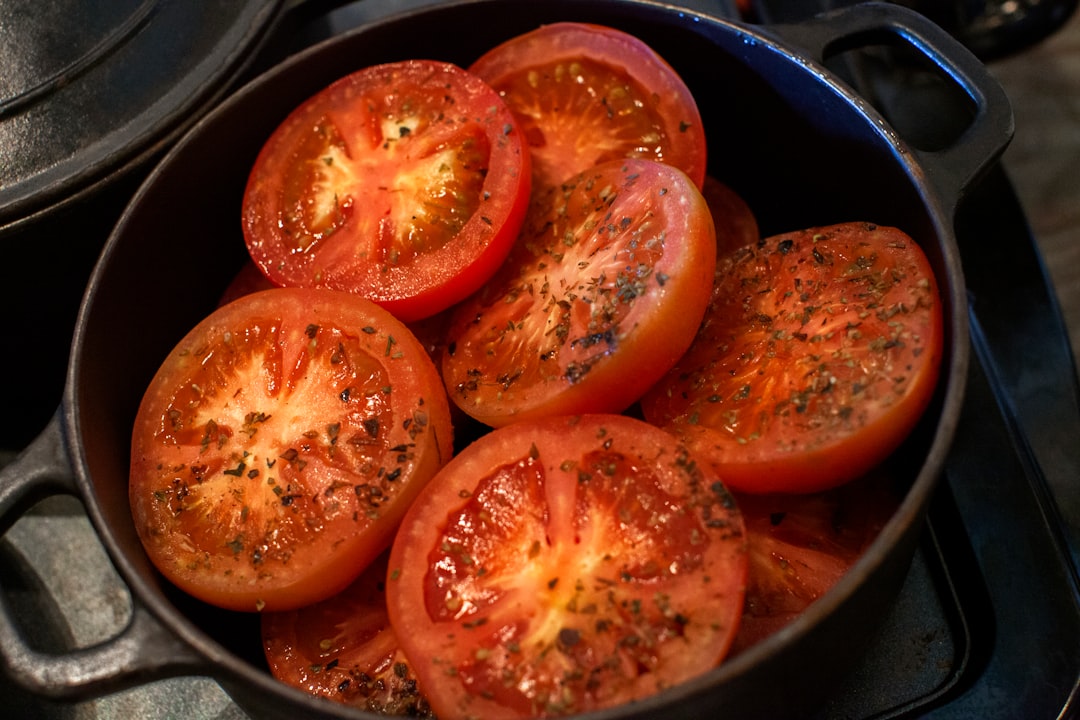
Roasting: This is my go-to for depth. Roasting concentrates the flavors by evaporating the water. I take ripe Roma tomatoes, halve them, and roast them at 400°F (200°C) for about 40 minutes. The edges get charred and sweet, and the inside turns into a jammy paste. It’s almost impossible to over-acidify roasted tomatoes because the heat transforms the citric acid into something smoother. This method is perfect for sauces where you want a thick, rich base without adding flour or cornstarch.
Sautéing: If you’re in a hurry, sautéing works, but you need fat. I use olive oil and start with garlic and shallots, cooking them gently for five minutes before adding the tomatoes. The key here is not to rush. Cook the tomatoes over medium-low heat for at least 15 minutes until they break down completely. The fat helps carry the flavor compounds and masks the sharp acidity. This is ideal for quick pasta sauces where you want fresh flavor but with a bit more body than raw crushed tomatoes.
Slow Cooking: For stews and braises, slow cooking is unbeatable. I often throw quartered tomatoes into a beef stew and let it simmer on low for three hours. The long, gentle heat allows the pectin in the tomatoes to break down, thickening the liquid naturally. The result is a sauce that clings to the meat and vegetables. It’s time-consuming, but the hands-off nature means you can prep it in the morning and come home to a house that smells like comfort.
Implementation Steps
1. Choose the Right Tomato Variety: Don’t waste money on beefsteaks for sauce. Use Roma or San Marzano tomatoes. San Marzanos, specifically from the volcanic soil of Italy, are known for their low seed count and sweet flesh. If you’re buying in summer, look for tomatoes that smell like the vine. If it smells like nothing, it’s flavorless. I usually spend about $2-$3 per pound for good Roma tomatoes, which is a small price for quality.
2. Adjust Seasoning: If your sauce still tastes too sharp, don’t add salt yet. Try adding a pinch of sugar (about half a teaspoon per quart of sauce) or a splash of balsamic vinegar. The sugar doesn’t make it sweet; it neutralizes the acid. I’ve also learned to add a tiny knob of butter at the end, which rounds out the edges beautifully.
3. Experiment with Cooking Methods: Try roasting one batch and sautéing another with the same tomatoes. Taste them side-by-side. You’ll notice the roasted version has a nuttier, deeper flavor, while the sautéed version is brighter and more immediate. Knowing which profile you want for your dish will save you time and frustration.
Pros and Cons of Tomato Cooking Techniques
Every method has its trade-offs, and understanding them helps you plan your week.
Roasting: The pros are undeniable: you get concentrated sweetness and a thick texture with no extra effort. However, the cons are that it takes planning. You need to start 45 minutes before you want to eat, and if you leave them in the oven too long, they can turn to ash. I once walked away for ten minutes too long and had to scrape blackened bits out of my pan. It happens.
Sautéing: This is the quick fix. Pros: it’s fast, and you get that fresh, bright tomato taste. Cons: it doesn’t reduce acidity as effectively as roasting. You might still need to adjust seasoning, and the texture can be runny if you don’t cook it long enough. It’s great for weeknights but lacks the complexity of longer methods.
Slow Cooking: The pros are the depth of flavor and the hands-off convenience. The cons are time. You’re looking at 2-4 hours of cooking. Also, slow cookers can sometimes make tomatoes mushy if you’re not careful. I’ve found that adding tomatoes in the last hour of a slow cook keeps them intact. It’s a balance of patience and timing.
Who Should Try Cooking with Tomatoes?
If you’re the type of person who enjoys tinkering with flavors, this is for you. Home cooks who love pasta night will benefit greatly from mastering these techniques. It’s also great for meal preppers. Roasting a tray of tomatoes on Sunday gives you a base for sauces, soups, and stews all week. If you like the idea of building layers of flavor, tomatoes are your best friend. However, if you’re strictly a “dump and go” cook with no time to spare, you might find the prep work a bit much. You can still use canned crushed tomatoes, but the fresh experience is different.
Who Should Avoid It?
People who are sensitive to acidity should stick to roasting or slow cooking, as these methods mellow the tartness. If you hate the texture of cooked tomatoes—some people just prefer the crunch of a raw salad—you might find sautéed or roasted tomatoes too soft. Also, if you’re on a very strict low-sodium diet, be careful with canned tomatoes, which can be salty. Fresh tomatoes allow you to control the sodium perfectly. But honestly, most people can adapt to these techniques once they taste the difference.
Conclusion: Making the Most of Tomatoes in Cooking
Cooking tomatoes isn’t just about heating up fruit; it’s about transforming it. By choosing the right variety and method, you can turn a simple ingredient into the star of your meal. Whether you’re roasting them for a rich sauce or sautéing them for a quick pasta, the effort pays off. I still make mistakes, but my kitchen is no longer filled with watery, acidic disasters. Instead, it’s filled with sauces that taste like summer, even in the dead of winter. Give these techniques a try, and you’ll likely find yourself looking at tomatoes differently. They’re not just a garnish; they’re a foundation. For more tips on building flavor, check out our guide on using fresh herbs to complement your tomatoes.