Some of the links in this article are "affiliate links", a link with a special tracking code. This means if you click on an affiliate link and purchase the item, we will receive an affiliate commission.
The price of the item is the same whether it is an affiliate link or not. Regardless, we only recommend products or services we believe will add value to our readers.
By using the affiliate links, you are helping support our Website, and we genuinely appreciate your support.
Understanding Pasta Types
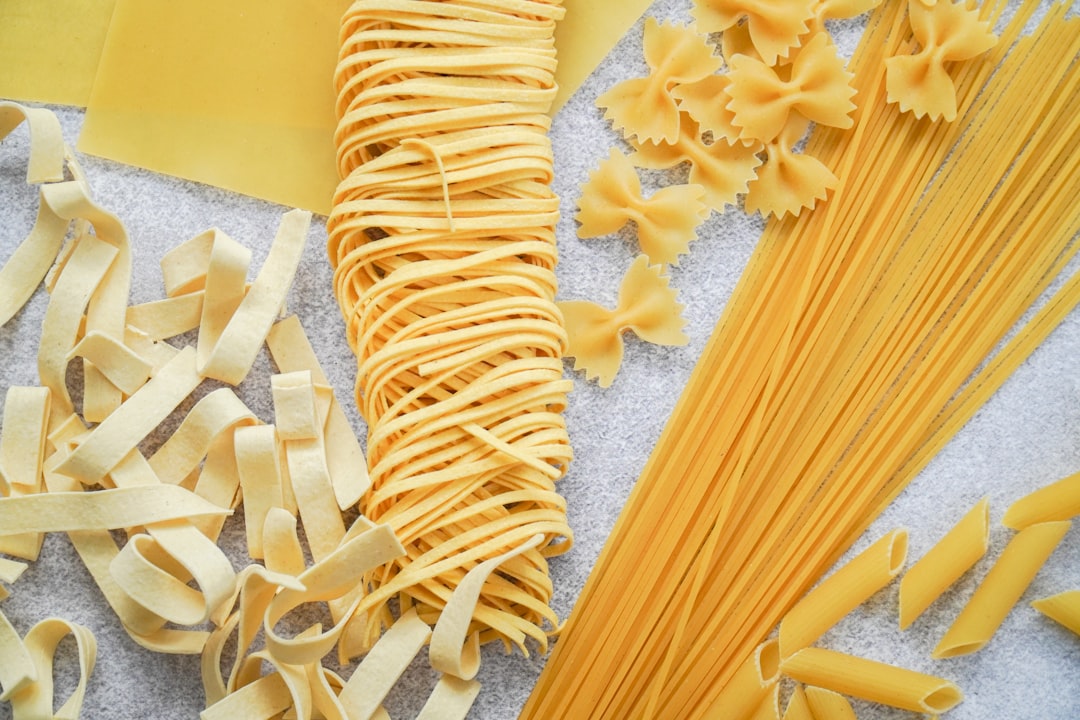
When it comes to cooking pasta, the first thing to consider is the type of pasta you’re using. Different shapes and sizes can influence cooking time and texture. From spaghetti to fusilli, knowing what you’re working with can make a world of difference. Research shows that pasta made from durum wheat semolina tends to hold up better during cooking, retaining its shape and texture. So, choosing quality pasta can be a game-changer.
Choosing the Right Pot and Water
One of the first steps to perfect pasta is selecting a pot that’s large enough. This might seem trivial, but overcrowding pasta can lead to uneven cooking. Studies indicate that using a pot that allows pasta room to move freely in boiling water is crucial. You’ll want to fill the pot with enough water—at least four to six quarts per pound of pasta. This ensures that the pasta cooks evenly and doesn’t stick together.
Salting the Water
Adding salt to the water is a step that many home cooks overlook, but it’s essential for flavor. The general rule of thumb is to add about a tablespoon of salt per gallon of water. This might sound like a lot, but research suggests that well-salted water helps the pasta absorb flavors as it cooks. Don’t worry about the pasta being too salty; most of the salt stays in the water.
Timing is Everything
Cooking pasta to perfection is all about timing. Most pasta packages come with recommended cooking times, but these are just guidelines. The best way to ensure pasta is cooked just right is to taste it a minute or two before the suggested time. Studies indicate that al dente pasta—firm to the bite—is preferred by many for its texture and ability to hold sauces better.
Testing for Doneness
To check if your pasta is done, simply taste a piece. It should be firm yet tender. If you’re unsure, research shows that cutting a piece in half can help; the center should be slightly less cooked than the edges. This is the sweet spot for al dente pasta.
Draining and Reserving Water
Once the pasta is cooked, draining it properly is key. However, don’t dump all the water down the sink. Studies indicate that reserving a cup of pasta water can be beneficial. This starchy water can be used to adjust the consistency of your sauce, helping it cling to the pasta better.
Finishing with Sauce
When it comes to pairing pasta with sauce, research suggests tossing the pasta directly into the sauce in the pan. This allows the pasta to absorb the flavors and ensures an even coating. Adding a splash of reserved pasta water can help the sauce adhere better, creating a cohesive dish.
Final Thoughts and Tips
Cooking pasta perfectly is all about attention to detail and understanding the process. From choosing the right type to timing and technique, every step counts. Research shows that taking the time to follow these steps can elevate your pasta dishes from ordinary to extraordinary. Remember, practice makes perfect, so don’t be afraid to experiment and find what works best for you.