Some of the links in this article are "affiliate links", a link with a special tracking code. This means if you click on an affiliate link and purchase the item, we will receive an affiliate commission.
The price of the item is the same whether it is an affiliate link or not. Regardless, we only recommend products or services we believe will add value to our readers.
By using the affiliate links, you are helping support our Website, and we genuinely appreciate your support.
The Boiling Point: Why Your Spaghetti is Probably Mushy
I still remember my very first attempt at cooking spaghetti from scratch. I was twenty-two, living in a studio apartment with a stove that clicked twice before igniting. I threw a pound of noodles into a pot that was barely half-full, dumped in a pinch of salt, and walked away to answer a phone call. When I came back five minutes later, the water had evaporated into a starchy sludge, and the pasta was a brick-hard lump. I ate it anyway, chewing like I was trying to tenderize the meat on my hands. It was a disaster, but it taught me the most important lesson of my culinary life: pasta is not just about the noodles; it’s about the water, the pot, and the patience.
Over the last decade, I’ve refined my technique until I can throw together a dinner for four in under twenty minutes, and the result is never that soggy, bland mess. There is an art to it, sure, but it’s really just basic physics and chemistry applied to durum wheat semolina. If you’ve ever wondered why restaurant pasta tastes so much better than what you make at home, it usually comes down to three things: surface area, starch management, and finishing in the pan. Let’s walk through exactly how to get that restaurant-quality texture without needing a professional kitchen or a $200 pasta machine.
The Right Shape for the Right Sauce
Choosing the right pasta shape isn’t just about aesthetics; it’s about mechanics. Different shapes hold different types of sauces, and using the wrong one can lead to a disjointed meal where the sauce slides off the noodles.
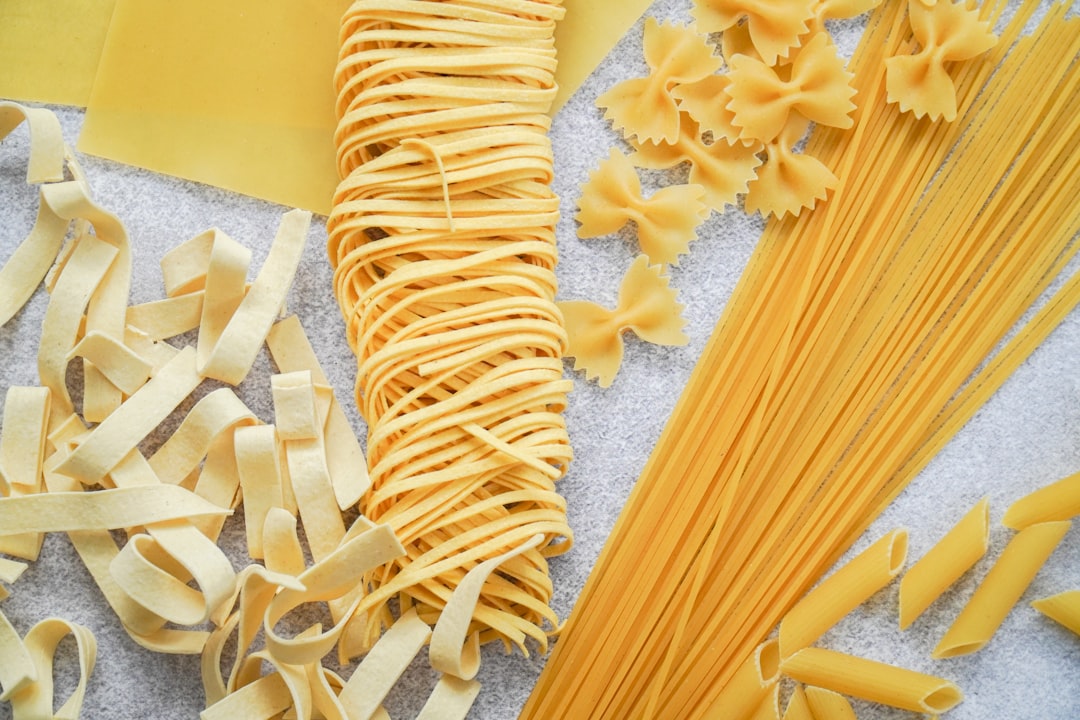
If you’re making a light, oil-based sauce like aglio e olio, long, smooth strands like spaghetti or linguine are your best bet. The smooth surface allows the oil to coat every strand evenly. But if you’re dealing with something chunky, like a rustic meat ragù or a heavy vegetable sauce, you need texture. Shapes like fusilli, rigatoni, or farfalle have ridges and nooks that trap pieces of meat and vegetables, ensuring you get a bit of sauce with every bite.
Quality matters here, too. I prefer brands like Buitoni or De Cecco for their dried pasta. They’re made from 100% durum wheat semolina, which has a higher protein content than softer wheat blends. This higher protein structure means the pasta holds its shape better during the boil. You don’t need to spend more than $2 to $3 per pound for excellent results. I’ve tried the expensive artisanal fresh pasta from the butcher, and while it’s delicious, it’s delicate. For weeknight dinners, dried semolina pasta is more forgiving and holds up better to vigorous tossing.
Also, consider your cooking style. If you’re trying to boost your energy through better nutrition, pasta is a great vehicle for veggies. A quick-cooking shape like rotini means you can blanch broccoli or spinach in the same pot right before draining, maximizing nutrient retention. It’s a small trick, but it changes the entire dynamic of the dish.
Water Volume and the Salt Factor
The biggest mistake home cooks make is under-watering the pot. You need plenty of room for the noodles to swim. A good rule of thumb is four to six quarts of water for every pound of pasta. I use a large 8-quart stockpot for anything over 12 ounces of noodles. If you crowd the pot, the water temperature drops too quickly, and the pasta sits in tepid water while it’s trying to cook. This leads to uneven cooking and a mushy exterior before the center is even tender.
When that water hits a rolling boil, add the salt. I know, I know—some people say it doesn’t matter much because you drain the water. But taste a piece of unsalted pasta versus salted pasta. The unsalted one tastes like plain, starchy dough. The salted one tastes like food. Aim for about one tablespoon of kosher salt per gallon of water. If you’re using table salt, reduce it slightly because it’s denser. The goal is for the water to taste like the ocean, not like a swimming pool. This seasons the pasta from the inside out, which is impossible to achieve by just salting the sauce later.
While we’re talking about health benefits, think about how you pair your pasta. A hearty bowl of whole wheat penne with marinara is a great way to incorporate foods that strengthen your immune system, especially if you load up with garlic, tomatoes, and leafy greens. It’s comfort food that actually does you some good.
Timing and The Al Dente Test
Look at the package. If it says 10 minutes, start tasting at 8 minutes. Package times are guidelines for “perfectly soft,” but most Italian chefs prefer al dente—to the tooth. This means the pasta should still have a slight resistance when you bite into it. It should not be crunchy, but it definitely should not be soft.
Why? Because you aren’t done cooking it yet. You’re going to finish it in the sauce. If you drain the pasta when it’s perfectly soft, it will become mush by the time you plate it. I learned this the hard way on a date night years ago. I cooked the pasta to perfection, drained it, and then spent ten minutes heating up the sauce. By the time I plated it, the spaghetti was gummy and stuck together. Never again.
To test for doneness, fish out a noodle with your tongs. Blow on it to cool it down, then taste. If there’s a tiny white speck in the center, it needs another 30 seconds. If it’s uniform in color and firm, it’s ready. This attention to detail is what separates a good weeknight meal from a memorable dinner. It also ties into maintaining a healthy lifestyle; eating lighter, firmer pasta often means you’re consuming less heavy cream or cheese-heavy sauces, keeping your energy levels stable rather than crashing an hour later.
The Secret Weapon: Pasta Water
Before you drain your pasta, scoop out a mug of the cloudy, starchy cooking water. Do this right away, or the water will absorb back into the noodles. This liquid gold is the secret to restaurant-quality pasta.
The starch in the water acts as an emulsifier. When you add a splash of this water to your sauce and toss the pasta in, the starch helps bind the oil and water-based components of the sauce together. Instead of a pool of oil at the bottom of your plate, you get a creamy, cohesive coating that clings to every noodle.
I always finish my pasta in the sauce pan, not the other way around. Toss the drained noodles directly into the skillet with your sauce. Add a splash of that reserved water. Turn the heat to medium-low and toss vigorously for about one minute. The pasta will finish cooking in the sauce, absorbing the flavors while the starch creates a silky texture. If you’re making a tomato sauce, this step is non-negotiable. It transforms a watery, acidic sauce into something rich and balanced.
Final Thoughts on Pasta Perfection
Cooking pasta isn’t just about boiling noodles and pouring stuff on top. It’s a process of managing starch, heat, and time. By using enough water, salting adequately, cooking to al dente, and finishing in the pan with reserved water, you can elevate a simple dish into something extraordinary.
Don’t be afraid to experiment. Try different shapes with different sauces. Eat the rainbow by adding roasted red peppers, zucchini, or spinach to your sauces. Keep your kitchen stocked with good quality dried pasta and a large pot, and you’ll never go back to overcooked, bland noodles again. Practice makes perfect, so boil that water and get tossing.