Some of the links in this article are "affiliate links", a link with a special tracking code. This means if you click on an affiliate link and purchase the item, we will receive an affiliate commission.
The price of the item is the same whether it is an affiliate link or not. Regardless, we only recommend products or services we believe will add value to our readers.
By using the affiliate links, you are helping support our Website, and we genuinely appreciate your support.
The Stale Cumin Catastrophe at 7 PM
I learned the hard way that neglecting your spice rack isn’t just a minor aesthetic issue; it’s a flavor killer. It was a rainy Tuesday in November, around 7 PM, and I was in the middle of making a quick weeknight curry. I reached for the cumin jar, which had been sitting in my front cabinet since last spring. I shook it in, expecting that warm, earthy punch that usually grounds the dish. Instead, I got a dusty, hay-like whisper of flavor. The curry tasted flat, one-dimensional, and honestly, a bit sad. I stared at the jar, realizing the seeds inside were pale and brittle, completely devoid of the volatile oils that make them magical. That night, I dumped the cumin and bought a fresh jar. The difference in the second attempt was night and day—the aroma hit the kitchen as soon as the lid popped, and the dish had depth. This isn’t an isolated incident. If you’ve ever felt like your homemade meals lack that restaurant-quality spark, your spices are likely the culprit, not your technique.
Spices are essentially dried plant parts—seeds, bark, roots, or fruits—packed with essential oils. These oils are volatile, meaning they evaporate when exposed to air, heat, and light. When those oils leave, the flavor goes with them. It’s not just about taste, either. According to the USDA, while spices don’t lose most of their nutritional value over time, their phytochemical content, like antioxidants in turmeric, diminishes as potency fades. So, you’re not just wasting money on bland food; you’re missing out on the health benefits, too. A jar of paprika that’s been sitting in a hot cupboard for two years has lost about 80% of its carotenoids. That’s a lot of wasted potential. Recognizing that storage directly impacts your culinary output is the first step toward transforming your kitchen from a place of guesswork to a hub of consistent, delicious cooking.
Why Proper Storage Actually Saves You Money
Most home cooks treat spices as a “buy once, use forever” commodity, but that’s a false economy. Spices are perishable. The average shelf life of ground spices is six months to a year, while whole spices can last up to three to four years if stored correctly. When you buy fresh spices, you pay for potency. If you store them poorly, you’re paying full price for a product that performs like it’s half price. Think about it: how many times have you doubled or tripled a recipe’s spice amount because the original didn’t taste strong enough? That’s wasted product. By storing spices correctly, you ensure that one teaspoon delivers the full flavor profile, allowing you to use less while getting better results.
Consider the cost of a high-quality jar of saffron or cardamom. These aren’t cheap. If you store saffron threads in a humid bathroom cabinet, they lose their color and aroma within months. You might end up using double the amount to get the same golden hue and flavor in your risotto, effectively doubling the cost per serving. On the other hand, storing those same threads in an airtight container in the dark preserves their integrity for over a year. It’s a simple investment of time and space that pays off every time you cook. Plus, when your spices smell vibrant, you’re more likely to use them, encouraging you to cook more diverse and interesting meals rather than falling back on the same salty, bland routines. It’s about maximizing the ROI on every pantry staple you buy.
Keep Them Cool and Dry: The Golden Rule
Heat and moisture are the two biggest enemies of spice freshness. I used to keep my spice rack right next to the stove, thinking it was convenient. But the stove is a heat source, and the dishwasher is a moisture source. Between the steam from boiling pots and the residual heat from cooking, that rack was a spice sauna. The result? My herbs lost their color and their punch in record time. The general rule is to store spices at room temperature, ideally between 50°F and 70°F (10°C to 21°C), away from direct sunlight. A pantry or a cupboard on an interior wall is perfect. Avoid the window sills, the top of the refrigerator, and the drawers above the stove. If you live in a particularly humid climate, you might even consider storing spices in the refrigerator, but you must use absolutely airtight containers to prevent condensation from forming inside when you take them out.
Light is another silent destroyer. Ultraviolet rays break down the chemical compounds in spices, leading to oxidation. This is why spices in clear glass jars fade faster than those in opaque containers. If you have clear jars, keep them in a dark cupboard. If you’re like me and love seeing your spices, invest in tinted glass or store your clear jars inside a closed cabinet. The Cornell Food and Flavor Lab notes that volatile oils evaporate more rapidly at higher temperatures and in the presence of light. So, keeping your spices in a cool, dark place isn’t just a preference; it’s a chemical necessity. It preserves those essential oils that give your food its distinctive character. It’s a small change, but it makes a massive difference in the vibrancy of your dishes.
Container Choice: Glass Over Plastic
Not all containers are created equal. Plastic is porous, meaning it can absorb odors and flavors over time. If you store strong spices like cumin or chili powder in plastic, that scent will linger even after you’ve emptied the jar. Next time you put in a delicate spice like saffron or white pepper, it might pick up that lingering cumin vibe, ruining the subtle flavor profile. Glass is non-porous and non-reactive, making it the superior choice for storage. Metal tins are also excellent, especially for light-sensitive spices, as they provide a complete barrier against UV light. However, ensure the metal is coated or stainless steel so it doesn’t react with acidic spices like paprika or cinnamon.
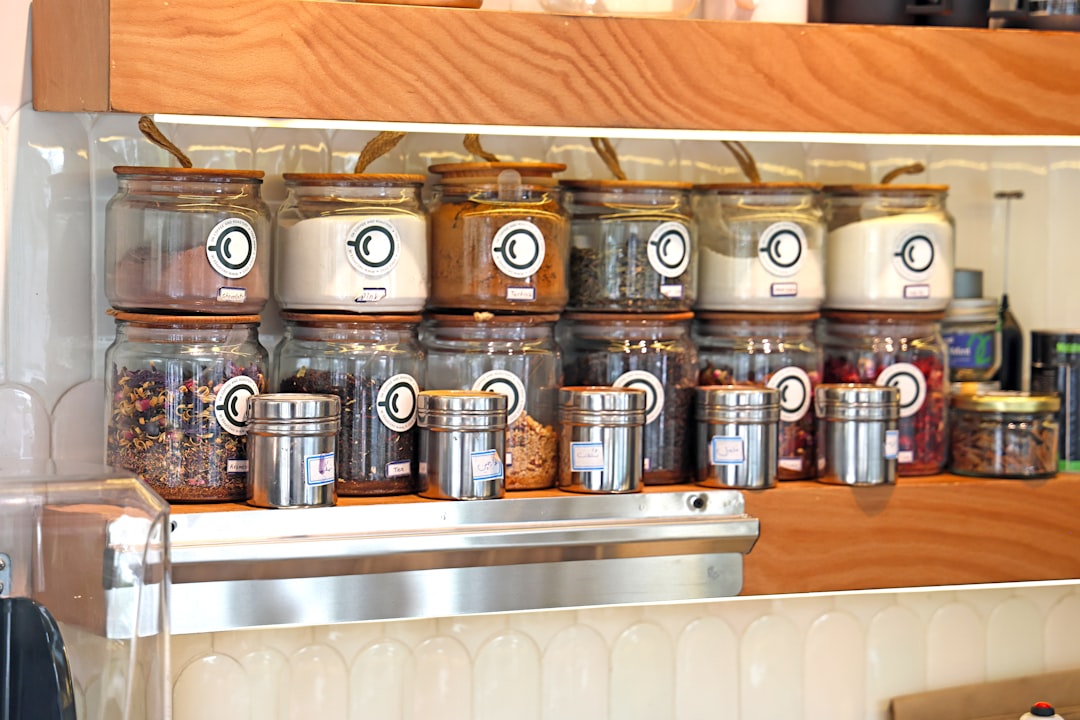
Airtightness is key. You want a seal that keeps oxygen out. I use small, glass apothecary jars with rubber gasket seals for my frequently used spices. They’re expensive upfront, but they last forever and keep spices fresh for months. For less frequently used items, I repurpose clean glass jars from pasta sauce or pickles, ensuring the lids seal tightly. Avoid those twist-top plastic spice shakers with the tiny holes; while convenient, they let air in every time you shake them. If you need the convenience, look for glass shakers with silicone seals. The initial investment in better containers pays off by extending the life of your spices, meaning you buy less often and waste less. It’s a sustainable choice that benefits your wallet and your cooking.
Labeling and Dating: Don’t Guess
One of the biggest mistakes I see home cooks make is relying on memory. We think, “I bought this last year, so it should be fine.” But is it? Without a label, you’re guessing. I recommend labeling every single jar with the name and the date you opened it. Yes, you can write the purchase date, but the opening date is more critical because that’s when exposure to air begins. Use a permanent marker or a label maker. I use a small label maker for a clean, professional look, but a sharpie works just as well. This simple habit helps you rotate your stock. When you’re cooking, you’ll see the date and realize, “Oh, this paprika is from last March, it’s probably lost its kick.” You’ll toss it or use it immediately in a heavy dish, rather than risking it in a delicate sauce.
Labeling also helps you track your usage. If you buy a jar of coriander seeds and grind them yourself, you can note the grinding date. Ground spices start losing potency almost immediately after grinding. By knowing exactly when you ground them, you can plan to use them within a few months for maximum impact. This system turns your spice rack into an organized, efficient library of flavors. It reduces clutter and confusion, making it easier to find what you need when you’re in the heat of cooking. Plus, it gives you a clear metric for when it’s time to buy new spices, ensuring you never run out of your favorites at the worst possible moment.
Whole vs. Ground: The Freshness Factor
If you’re serious about flavor, invest in a small spice grinder and buy whole spices whenever possible. Whole spices retain their essential oils much longer than ground spices. Once you grind a spice, you increase its surface area, exposing more of the oil to air. This accelerates the degradation process. A whole cinnamon stick can last for years, while ground cinnamon loses its warmth in months. I keep a mortar and pestle or a dedicated coffee grinder (cleaned thoroughly) for this purpose. I grind cumin, coriander, and fennel seeds just before I cook them. The aroma that fills the kitchen is intoxicating. It’s like turning on a light switch. The difference is profound.
This practice also allows you to control the texture of your spice. Depending on the dish, you might want a fine powder or a coarse crunch. Whole spices give you that control. Plus, they’re often cheaper per ounce than pre-ground versions. For example, whole black peppercorns cost less than pre-ground pepper and stay fresh longer. The effort of grinding takes about ten seconds, but the payoff in flavor is immeasurable. It’s one of the highest-return tasks in the kitchen. If you’re hesitant, start with one spice. Buy whole cumin seeds, grind a teaspoon for your next taco night, and taste the difference. You’ll be hooked.
Implementation: A Quick Pantry Reset
Don’t try to overhaul your entire spice rack in one day. Start by auditing what you have. Pull out every jar and smell it. If it smells like dust or nothing at all, toss it. Throw away anything older than two years (or six months for ground spices). Next, clean your containers. Wipe them down with vinegar to remove any lingering odors. Then, decant your spices into your new airtight containers. Label them immediately. Move them to a cool, dark cupboard. If you have a grinder, start buying whole spices. This process takes about an hour, but it sets you up for success for months to come. You’ll notice your food tastes better almost immediately, and you’ll find yourself cooking more because your ingredients are inspiring you. It’s a small change with a big impact.
Who Benefits Most?
These tips are ideal for home cooks who want restaurant-quality results without the price tag. If you cook frequently, experiment with new cuisines, or value the nuances of flavor, proper storage is essential. It’s also great for budget-conscious cooks who want to minimize waste. Even occasional cooks benefit, as it ensures that the spices you do use are worth the effort. It’s not about being a perfectionist; it’s about respecting the ingredients you buy.
Who Might Skip This?
If you only use salt, pepper, and maybe paprika, and you cook once a week, you might not need a fancy system. Basic storage in a drawer is fine for low-usage spices. However, if you buy bulk spices or travel spices, the effort is still worth it. It’s scalable to your lifestyle.
Comparing Methods
Airtight glass containers in a cool, dark place win every time. Plastic bags are cheap but leak air and odors. Clear glass jars are pretty but let light in. Metal tins are great for light protection but can be hard to see into. For the best balance of visibility, protection, and longevity, use tinted or opaque glass containers in a dark cupboard. It’s the gold standard for spice storage.
The Bottom Line
Spice storage isn’t glamorous, but it’s foundational. Fresh spices make boring food exciting and expensive food affordable. Take an hour this weekend to reset your rack. Your taste buds—and your wallet—will thank you. Check out our guide on fresh herb storage to keep your greens vibrant too. Happy cooking!