Some of the links in this article are "affiliate links", a link with a special tracking code. This means if you click on an affiliate link and purchase the item, we will receive an affiliate commission.
The price of the item is the same whether it is an affiliate link or not. Regardless, we only recommend products or services we believe will add value to our readers.
By using the affiliate links, you are helping support our Website, and we genuinely appreciate your support.
Rediscovering the Joy of Classic Comfort Recipes
The first time I truly understood what “comfort food” meant wasn’t while eating at a Michelin-starred restaurant or scrolling through a gourmet magazine. It was a Tuesday in November, around 6:30 PM. The power had gone out due to a storm, so I couldn’t turn on my electric stove. I was sitting on my kitchen floor, leaning against the cabinet, eating a bowl of cold canned chicken noodle soup with a spoon I’d found in my bag. The house was dark, the wind was howling, and for the first time in months, my shoulders dropped three inches. That’s the thing about classic comfort recipes—they aren’t just about nutrition or taste. They are edible security blankets. They bring back memories of Sunday dinners, rainy afternoons, and the simple feeling that everything is going to be okay.
Over the years, I’ve treated these dishes not as rigid rules, but as conversations with my own history. My kitchen has seen flour explosions, burnt garlic, and one very memorable incident where I accidentally salted a dessert instead of a savory stew (turns out, chocolate and sea salt *can* work, but 2 tablespoons was too much). Through these trial-and-error moments, I’ve realized that comfort cooking is less about perfection and more about presence. It’s about slowing down in a world that’s constantly rushing.
My Love Affair with Homemade Bread
There is a specific kind of magic in baking your own bread. I remember my very first attempt at making a sourdough loaf three years ago. I watched a popular YouTube video, felt confident, and followed the instructions to the letter. Two days later, I pulled a dense, brick-like object out of the oven that sounded like a bowling ball hitting the floor when I set it down. It was edible, but it required a knife and some serious elbow grease to slice. My roommate didn’t complain, which is a sign of true friendship.
But I didn’t give up. I adjusted. I learned that the humidity in my apartment affects how much water the flour absorbs. I started using a kitchen scale instead of cups because precision matters. According to the USDA, whole grains retain more nutrients than refined white flour, which was another reason I shifted toward a whole wheat hybrid recipe. Now, when I knead dough, I wait for that specific moment—the “windowpane test”—where I can stretch a thin piece of dough without it tearing. It takes about 10 minutes of elbow grease, but when I finally pull a loaf with a crispy, crackling crust and a soft, airy interior out of a 450°F oven, the smell alone can calm a chaotic day.
The process teaches patience in a way that microwave meals never could. You can’t rush yeast. You have to respect the fermentation time. I’ve started keeping a simple bread journal, noting the ambient temperature and how the dough felt. It’s a small hobby, but it connects me to generations of bakers who did the same thing before we had timers and thermometers. If you’re looking to start your own baking journey, you don’t need fancy equipment. In fact, you can check out 10 Essential Kitchen Tools Every Beginner Needs to see what’s actually worth the investment versus what’s just marketing hype.
Hearty Stews: A Winter Staple
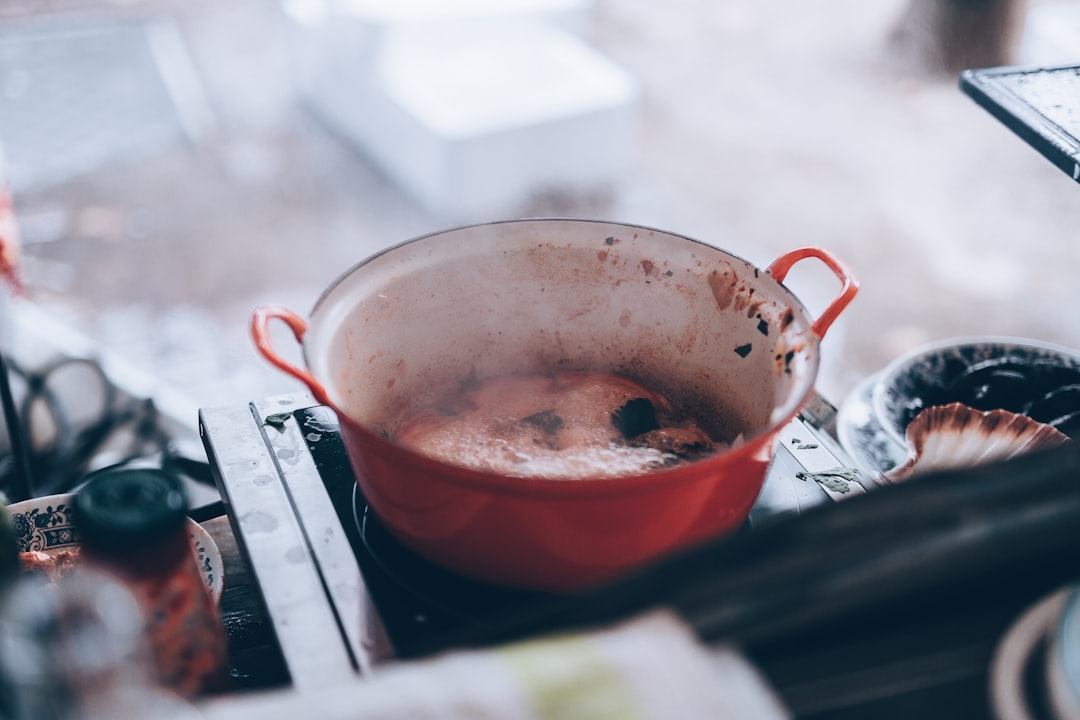
When the mercury drops below freezing, my kitchen transforms into a steam room. I turn to stews. Not the quick 30-minute versions from the frozen aisle, but the slow, low-and-slow braises that take up half the day. My go-to is a beef and root vegetable stew. I use chuck roast because it has enough marbling to stay tender during long cooking times. If you buy lean sirloin, it’ll dry out and become chewy—trust me on that.
I’ve learned that the secret isn’t just the meat; it’s the fond. That’s the browned bits stuck to the bottom of the pot after you sear the beef. I deglaze with a cup of red wine, scraping up every bit. It adds a depth of flavor that salt alone can’t achieve. Then comes the vegetables: carrots, parsnips, and potatoes cut into uniform two-inch chunks so they cook evenly. I simmer everything on low heat for about four hours. Yes, four hours. But the hands-on time is barely fifteen minutes. The rest is just waiting.
This dish is perfect for Signs You Need To Detox Your Body because it’s packed with fiber, antioxidants from the veggies, and hydration from the broth. It’s warming, yes, but it’s also nourishing in a way that feels substantial. I usually serve it with a crusty piece of that sourdough bread I mentioned earlier. Sharing a pot of stew with friends turns a simple dinner into an event. You linger longer. You talk more. The food becomes the backdrop for connection, not just fuel.
Comfort in a Bowl: Chicken Noodle Soup
If beef stew is the winter anchor, chicken noodle soup is the universal healer. I have a rule: if someone in my house has a sniffle, or if I’ve had a particularly stressful week, we are making soup. But I don’t just throw frozen cubes in a pot. I use a whole chicken, legs and thighs mostly, because they hold up better than breast meat. I simmer it with a whole onion, two carrots, two stalks of celery, and a bouquet garni of thyme and parsley for at least two hours.
The broth should be rich and golden, not watery. Once the chicken is cooked and shredded, I add egg noodles. I prefer the wide, flat kind because they have a better texture and don’t turn to mush as quickly as the thin ones. I also add a splash of lemon juice at the end. It brightens the whole dish, cutting through the richness of the stock. According to a study from the University of Nebraska, chicken soup can actually help clear nasal congestion due to its mild anti-inflammatory properties. So, scientifically speaking, it’s medicine, too.
It’s a simple recipe, but the details matter. Don’t skip the garlic. Don’t rush the simmer. And definitely, use fresh herbs. Dried herbs work in a pinch, but fresh thyme smells like spring. This soup is also a great way to incorporate more Foods That Strengthen Your Immune System into your diet. Ginger and turmeric are great additions if you’re feeling really under the weather. It’s warm, it’s salty, and it feels like a hug in a bowl.
Sweet Endings: The Perfect Apple Pie
No list of comfort recipes is complete without dessert. Apple pie is classic for a reason. But making a pie crust isn’t intimidating if you treat it right. The key is cold butter. I keep my butter in the fridge until the last minute, then grate it into the flour mixture. It should look like coarse crumbs, not a smooth paste. When I first started, I would rub the butter in too thoroughly, which made the crust tough. Now, I leave little pea-sized chunks of butter visible. When those melt in the oven, they create steam pockets, which results in that flaky, shattering texture we all dream of.
For the filling, I use a mix of Granny Smith and Honeycrisp apples. The Granny Smiths hold their shape, while the Honeycrisps break down slightly to create a saucy texture. I mix them with brown sugar, cinnamon, nutmeg, and a tablespoon of flour to thicken the juices. I bake it at 400°F for 15 minutes to set the crust, then drop the heat to 375°F for another 40 minutes until the filling is bubbling. The smell of cinnamon and baking apples is arguably the best scent in the world.
It’s worth noting that apple pie isn’t just a holiday treat. It’s a great way to use up those apples from the local orchard in the fall. Plus, apples are rich in fiber and antioxidants. If you’re interested in why variety matters in your diet, you should read My Take on Why Eating the Rainbow Is Not Just A Saying. Even if your “rainbow” is just apples and cinnamon, it’s still colorful and comforting.
Lessons Learned from the Kitchen
Through all these recipes, I’ve learned that cooking is a practice, not a destination. My first attempt at a soufflé collapsed so fast it looked like it deflated in shock. My risotto was gummy until I learned to stir it constantly and add hot broth one ladle at a time. These failures aren’t reasons to quit; they’re data points. They tell you what to adjust next time.
I’m not a professional chef. I don’t have a culinary degree. I’m just someone who loves the process of transforming raw ingredients into something that brings joy to the people I love. That’s the heart of comfort cooking. It’s accessible. It’s forgiving. And it’s deeply personal.
Practical Tips for Comfort Cooking
- Patience is a flavor: Don’t rush the sear on your meat. Let it brown properly. It takes an extra 2 minutes but adds huge flavor.
- Quality over quantity: Spend a little more on good olive oil, real butter, and fresh produce. It makes a difference in the final taste.
- Make it yours: Recipes are guidelines. If you like more garlic, add more. If you prefer spicy, add chili flakes. Don’t be afraid to tweak.
- Share the load: Cooking is better with company. Let your partner chop vegetables while you stir the pot. It makes the Healthy Lifestyle Changes For Better Energy easier because you’re not doing it alone.
So, the next time you’re standing in your kitchen, unsure of what to make, think back to that bowl of cold soup on the floor. Think about the warmth of a shared meal. Pick a recipe, roll up your sleeves, and start cooking. The mess is temporary. The memory lasts forever.