Some of the links in this article are "affiliate links", a link with a special tracking code. This means if you click on an affiliate link and purchase the item, we will receive an affiliate commission.
The price of the item is the same whether it is an affiliate link or not. Regardless, we only recommend products or services we believe will add value to our readers.
By using the affiliate links, you are helping support our Website, and we genuinely appreciate your support.
Understanding the Basics of Seasoning
Seasoning is an essential skill in the kitchen, transforming simple ingredients into flavorful dishes. While it might seem daunting at first, research shows that understanding the basics can significantly enhance your cooking experience. At its core, seasoning involves adding salt, herbs, spices, and other flavor enhancers to food.
The Role of Salt in Seasoning
Salt is often considered the cornerstone of seasoning. Studies indicate that salt not only enhances flavor but also affects the texture and color of food. However, it’s crucial to use it judiciously to avoid overpowering the dish. A pinch of salt can bring out the natural flavors of ingredients, making them taste more vibrant.
Exploring Herbs and Spices
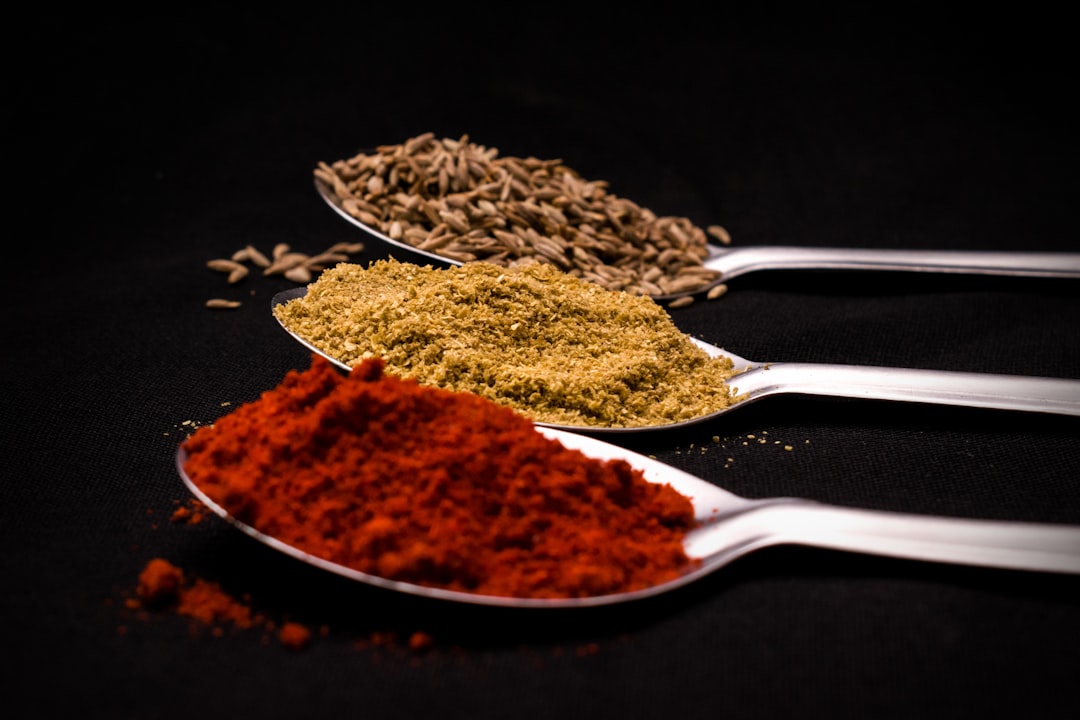
Herbs and spices are the soul of seasoning, offering a diverse range of flavors and aromas. Data suggests that using fresh herbs like basil and cilantro can add a refreshing touch, while dried spices like cumin and paprika introduce depth and warmth. Experimenting with combinations can lead to unique and personalized flavors.
Balancing Flavors
Achieving balance is key when seasoning food. Research shows that a well-seasoned dish harmonizes salty, sweet, sour, and bitter flavors. For instance, a squeeze of lemon can brighten a salty dish, while a touch of honey can mellow out bitterness. Understanding these interactions can elevate your culinary creations.
Seasoning Techniques and Tips
Experience suggests that seasoning is not just about what you add, but when you add it. For example, adding spices early in the cooking process allows them to infuse the dish, while finishing with fresh herbs can provide a burst of flavor. Studies indicate that tasting as you go is crucial to achieving the desired flavor profile.
Common Mistakes to Avoid
Data suggests that common seasoning mistakes include over-salting and under-seasoning. It’s important to remember that seasoning is a gradual process. Start with small amounts and adjust based on taste. Additionally, using quality ingredients can make a significant difference in the final outcome.
Conclusion: Seasoning as a Personal Journey
Seasoning is an art that evolves with practice and experimentation. While research provides guidelines, personal preferences play a significant role in shaping your seasoning style. Embrace the process, trust your taste buds, and enjoy the journey of discovering flavors that resonate with you.