Some of the links in this article are "affiliate links", a link with a special tracking code. This means if you click on an affiliate link and purchase the item, we will receive an affiliate commission.
The price of the item is the same whether it is an affiliate link or not. Regardless, we only recommend products or services we believe will add value to our readers.
By using the affiliate links, you are helping support our Website, and we genuinely appreciate your support.
The Night I Burned the Pot and Saved Dinner
My first serious attempt at cooking dried beans from scratch was a disaster. It was about seven years ago, on a Tuesday night when I was trying to be “healthy” and budget-conscious. I threw a pound of dry pinto beans into a stockpot, covered them with water, and set a timer for forty-five minutes, thinking they were like pasta. When I checked, they were still hard as rocks in the center, and the water had reduced to a starchy, gloopy mess that stuck to the bottom of the pan like glue. I scraped them into a bowl, ate them cold, and swore I’d never do it again.
Fast forward to today, and beans are the backbone of my weekly meal prep. I’m not a professional chef. I don’t have a copper pot collection or a sous-vide machine. I’m just someone who realized that for less than $2 a pound, I could get high-quality protein and fiber that outshines most of the processed snacks in my pantry. But getting there required learning that beans aren’t just “hard peas.” They’re a ingredient that demands respect, time, and a little bit of patience.
The hesitation many home cooks have around dried beans usually boils down to two things: the clock and the gut. Nobody wants to spend hours standing over a stove watching a pot, and nobody wants to end up bloated after a delicious meal. But once you figure out the rhythm, cooking beans becomes less of a chore and more of a set-and-forget ritual that actually saves you time in the long run.
Why Bother? The Nutritional Payoff
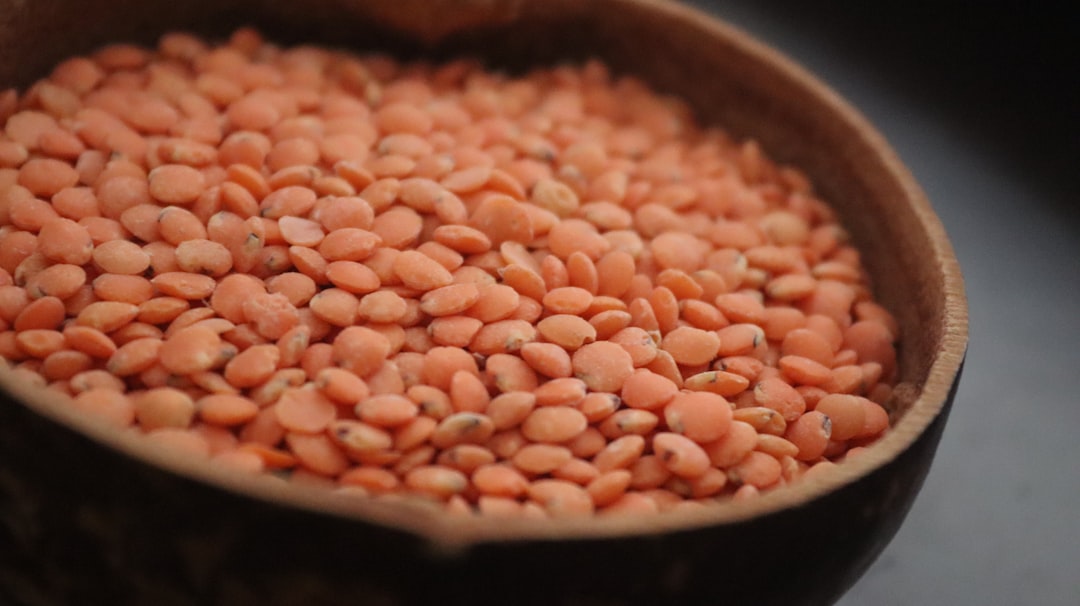
If you’re looking at a bag of dried lentils or chickpeas and wondering why you shouldn’t just grab the can, here is the honest truth. Beans are nutrient powerhouses. According to the USDA, one cup of cooked black beans contains about 15 grams of protein and 15 grams of fiber. That’s a massive chunk of your daily recommended intake in a single side dish.
Beyond the macros, beans are incredibly versatile. They absorb flavors like sponges. A plain bean stew can be boring, but add some cumin, smoked paprika, garlic, and a splash of lime, and suddenly you have the base for a fantastic taco filling. They are also excellent for Healthy Lifestyle Changes For Better Energy because they provide slow-releasing carbohydrates, unlike the sugar crash you get from refined grains.
I’ve found that incorporating more plant-based proteins helps me feel fuller for longer. Before I started cooking beans regularly, I’d hit that 3 PM slump every day. Now, a bowl of bean chili keeps me steady until dinner. It’s not just about nutrition; it’s about how you feel after you eat. If you’re looking to Signs You Need To Detox Your Body, swapping out processed meats for beans is one of the easiest, cheapest wins you can make.
Solution 1: The Great Soak Debate
Let’s tackle the big one: soaking. Do you have to? Strictly speaking, no. You can cook dried beans without soaking them. But if you skip the soak, you’re playing a dangerous game. Unsoaked beans take significantly longer to cook—sometimes double the time—and they are much more likely to split open and turn into mush before they are tender.
I prefer the overnight soak. Here is my method: I dump my beans into a large bowl, cover them with cold water by at least two inches (beans expand!), and let them sit on the counter while I go to work or sleep. In the morning, the beans will look plump and slightly wrinkled. The water will be cloudy. This cloudy water contains oligosaccharides, the complex sugars that our bodies struggle to digest, which are the main culprits behind gas and bloating.
Here is the trick most people miss: do not reuse the soaking water. Drain it, rinse the beans thoroughly under cold running water until the water runs clear. This simple step can drastically reduce the compounds that cause digestive distress. If you’re short on time, you can use the “quick soak” method: bring the beans and water to a boil for two minutes, turn off the heat, cover, and let them sit for an hour. Same principle applies—discard that water.
Solution 2: Cooking Methods That Don’t Require Standing By the Stove
For a long time, I cooked beans on the stovetop. It works, but it’s fussy. You have to skim the foam off the top, check the texture every twenty minutes, and worry about the pot boiling over. It’s not ideal for a busy weeknight.
My current go-to is the pressure cooker, specifically an Instant Pot. If you haven’t invested in one yet, I’d highly recommend it. You can pick up a decent model for around $80, and it replaces several other appliances. With a pressure cooker, I can turn a pound of dry black beans into tender, creamy perfection in about 35 minutes of high-pressure cooking, plus the time it takes to come to pressure. That’s it. I throw the soaked beans, fresh garlic cloves, a bay leaf, and water into the pot, hit the button, and go do something else.
That said, if you don’t have a pressure cooker, a slow cooker is your best friend. Add your soaked beans, aromatics, and water to the slow cooker on low for 6 to 8 hours. The long, gentle heat breaks down the beans evenly without the risk of them turning to soup. I usually add my salt and acidic ingredients (like tomatoes or vinegar) in the last hour of cooking. Adding acid too early can toughen the bean skins, leaving you with hard centers.
Flavor Building: Beyond Basic Seasoning
Plain boiled beans are fine, but they aren’t exciting. The secret to great bean cooking is building layers of flavor. I never just boil beans in water. I always start with an aromatic base.
When I’m using my stovetop method, I’ll sauté onions, garlic, and celery in olive oil before adding the beans and liquid. This caramelization adds depth that water alone can’t provide. For my pressure cooker meals, I use the “sauté” function to brown onions and spices first. I love adding a teaspoon of ground cumin and a pinch of chili powder. These spices don’t just add heat; they actually aid digestion. Ginger is another fantastic addition if you’re prone to bloating.
I also swear by adding a piece of kombu, a type of dried kelp, to the pot. It’s a trick I learned from a local chef, and it seems to help break down the beans faster while adding a subtle umami savoriness. You can remove it before serving, or mash it into the stew.
Speaking of tools, having a good 10 Essential Kitchen Tools Every Beginner Needs makes a huge difference. A reliable measuring cup, a sharp knife, and a sturdy pot are non-negotiable. But don’t forget your taste spoon. Taste your beans at the end. Do they need more salt? More acid? A squeeze of lemon juice can brighten up heavy, earthy beans instantly.
Addressing the Bloating Myth
Let’s address the elephant in the room: gas. Yes, beans cause gas. But it doesn’t have to be unbearable. The key is consistency. If you eat beans once a month, your gut bacteria aren’t accustomed to processing that much fiber, so you’ll feel it. If you eat them regularly, your microbiome adapts.
Start small. Maybe a half-cup serving a few times a week. Gradually increase as your body adjusts. Also, remember to drink plenty of water. Fiber works best when it’s hydrated. If you’re not drinking enough water, you might experience constipation or discomfort along with the bloating.
I also recommend cooking beans with specific spices known to reduce flatulence. As mentioned, cumin, ginger, and asafoetida (hing) are traditional remedies in many cultures. Hing is particularly powerful, though it has a strong smell that mellows out completely during cooking.
When to Skip the Dried Can
Dried beans are cheaper and better in texture, but canned beans have their place. If you’re making a quick salad or a dip like hummus, canned beans are perfectly fine. Just rinse them well to remove the excess sodium and the starchy liquid they’re packed in. This step improves the texture and reduces the sodium content significantly.
I keep a stash of canned chickpeas and black beans on hand for emergencies. They are a great backup for those days when you forgot to soak your beans. But for stews, soups, and main dishes where texture matters, I’ll always choose dried. The difference in taste is night and day. Dried beans have a nutty, earthy flavor that canned beans just can’t replicate.
Final Thoughts on Bean Cooking
Cooking with beans isn’t about perfection. It’s about practice. My early failures taught me to respect the soaking process and to never rush the cooking time. Now, I look forward to the process. There’s something satisfying about transforming a hard, dry ingredient into something soft, creamy, and delicious.
It’s a skill that pays dividends. You save money, you eat healthier, and you expand your culinary repertoire. Whether you’re trying to Boost Your Immune System Naturally or just want to eat less meat, beans are a reliable, delicious partner. Give them a try, start with a simple recipe, and remember: don’t throw out the soaking water unless you want to feel it later.
If you’re unsure where to start, check out this article on My Take on Why Eating the Rainbow Is Not Just A Saying for inspiration on how to incorporate colorful, nutritious ingredients like beans into your daily meals. Happy cooking!