Some of the links in this article are "affiliate links", a link with a special tracking code. This means if you click on an affiliate link and purchase the item, we will receive an affiliate commission.
The price of the item is the same whether it is an affiliate link or not. Regardless, we only recommend products or services we believe will add value to our readers.
By using the affiliate links, you are helping support our Website, and we genuinely appreciate your support.
Why Soup Is the Ultimate Comfort Food
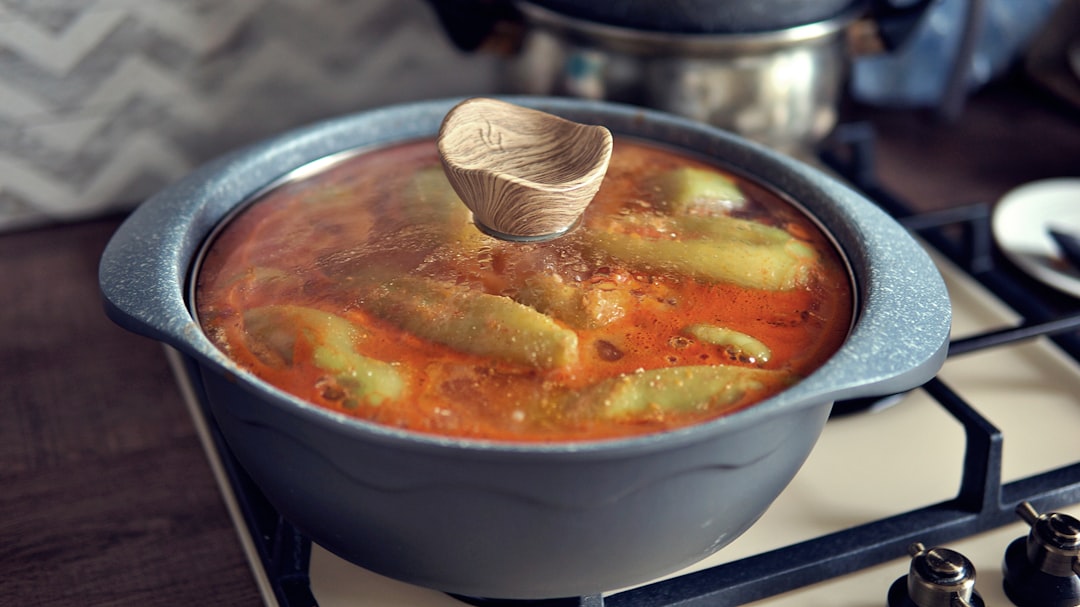
There is a specific kind of quiet that falls over the kitchen when soup is simmering on the stove. It’s not just the aroma—though the scent of sautéed onions and garlic drifting through the house is powerful enough to summon anyone from another room—it’s the rhythm of the process. I remember a particularly rough Tuesday in November about five years ago. The heating had just gone out, and the house felt like a walk-in freezer. I didn’t have a plan. I just had a bag of carrots, a limp celery stalk, and a half-empty jar of dried lentils.
I threw everything into a pot, poured in some chicken stock, and let it bubble. Twenty minutes later, I sat down at my kitchen table with a chipped ceramic bowl. That first spoonful hit my chest, warm and heavy, and I swear I felt my shoulders drop three inches. It wasn’t gourmet. It was rustic, slightly chunky, and completely unpolished. But it was perfect. That’s the magic of soup. It doesn’t demand perfection. It demands patience, and it gives back warmth in return.
We often think of cooking as a performance, especially when we see those glossy food blogs with perfectly plated dishes. But soup is different. It’s the anti-performance. It’s the kitchen equivalent of wearing your favorite, worn-out sweatpants. It’s forgiving. If you chop your onions a little too big? Fine. If you add a pinch too much salt? A splash of water fixes it. This flexibility is why soup remains a staple in my kitchen, week after week, regardless of the season or my mood.
Getting Started: Essential Ingredients
When I first started cooking, I thought I needed fancy ingredients to make good soup. I bought truffle oil, imported saffron, and organic kale from a place that charged $6 for a small bag. Turns out, the best soups are built on the humble “holy trinity” of cooking: onions, carrots, and celery. In French cuisine, this is called mirepoix, and it forms the flavor backbone of countless dishes. It’s reliable, cheap, and available at any grocery store, regardless of your zip code.
The key isn’t just having these vegetables; it’s how you treat them. Don’t just toss them in raw. Take the time to dice them evenly—think about 1/4-inch cubes—and cook them slowly. I usually spend about 10 to 12 minutes sweating the onions in butter or oil before adding the carrots and celery. You’re looking for them to soften and become translucent, not browned. This step releases the natural sugars and builds a depth of flavor that you simply can’t get by dumping raw veggies into broth. If you rush this step, your soup will taste like boiled vegetables. If you take your time, it tastes like comfort.
Choosing Your Broth
Broth is the canvas for your soup, and it needs to be good. I’ve tasted soups made with cheap, watery stock from the carton that taste like salty water with a hint of chicken. For a long time, I bought the expensive “low sodium” options because I was worried about salt, but I ended up adding so much table salt to mask the blandness that I defeated the purpose. Now, I stick to high-quality bone broth or a solid vegetable base. I usually spend around $4 to $6 on a good carton, or I make my own if I have the time.
Homemade broth takes about 4 to 6 hours to simmer, which sounds like a lot, but it’s mostly hands-off. I save my chicken carcasses and vegetable scraps in a freezer bag. Once it’s full, I dump it all into a large stockpot, cover it with water, add a bay leaf and some peppercorns, and let it go for hours. The result is liquid gold—rich, gelatinous, and packed with nutrients. According to the USDA, bone broth can be a great source of protein and minerals like calcium and magnesium. But honestly, I make it because it tastes better and feels less processed than the stuff in the box. It gives me control over exactly what goes into my body.
Adding Proteins and Grains
A bowl of plain vegetable soup is delicious, but it’s often just a side dish. To turn it into a meal, you need substance. This is where proteins and grains come in. I’m not a vegetarian, but I try to keep my meat intake moderate. So, I often rely on beans, lentils, or leftover rotisserie chicken. For a quick weeknight meal, I’ll shred a rotisserie chicken and add it in the last 10 minutes of cooking. It’s efficient, and it saves me from cooking raw meat when I’m exhausted.
If I’m planning ahead, I love adding grains like barley or quinoa. Barley has this wonderful chewy texture that holds up well in broth, and it thickens the soup naturally as it cooks. I usually soak dried barley for an hour beforehand to cut down on cooking time. Quinoa cooks much faster, about 15 minutes, so I add it near the end. Just remember that grains absorb liquid. If you make a batch of soup with quinoa and store it, you’ll need to add more broth or water when you reheat it, or you’ll end up with a thick, porridge-like consistency.
I once tried adding rice to a beef stew, but the rice turned to mush by the time I wanted to serve it. Lesson learned: stick to hardier grains for stews, or add delicate grains right before serving. This is one of those things I learned the hard way. My first attempt at a “quick” rice soup was a disaster of sticky, overcooked grains. Now, I’m more careful with my timing.
Spices and Seasonings
This is where you can really personalize your soup. Salt and pepper are non-negotiable, but the herbs are where the personality lives. For a classic chicken soup, I stick to thyme, rosemary, and a bouquet garni (a bundle of parsley, thyme, and bay leaf tied together). For a lentil soup, I might go with cumin and coriander. I recently experimented with curry powder in a chickpea soup, which sounded weird but was actually fantastic.
A common mistake beginners make is adding all their spices at the beginning. While some spices benefit from blooming in oil, delicate herbs like parsley or cilantro lose their flavor if cooked too long. I usually add dried herbs early on, but I stir in fresh herbs just before serving. Also, don’t forget acid. If your soup tastes “flat” even though it’s salty enough, it probably needs acid. A squeeze of lemon juice or a teaspoon of apple cider vinegar can brighten the entire dish in seconds. It’s a trick my mom taught me, and it never fails to work.
Cooking Techniques for Perfect Soup
Patience is the most underrated ingredient in soup. I used to be a fast cooker. I wanted dinner on the table in 30 minutes flat. I’d throw everything in, turn the heat to high, and expect flavor to happen instantly. But flavor doesn’t happen instantly. It happens slowly, as molecules break down and meld together. Now, I aim for a gentle simmer, around 190°F to 200°F. You want small bubbles breaking the surface, not a rolling boil. A rolling boil can make tough cuts of meat chewy and muddy the colors of your vegetables.
If I’m making a bean or lentil soup, I let it simmer for at least 45 minutes to an hour after the veggies are tender. This gives the flavors time to marry. I’ve found that soups always taste better the next day. It’s true what they say about leftovers. The ingredients have more time to interact, and the harsh edges soften. This is why I often cook a big batch on Sunday and eat it throughout the week.
Using a Slow Cooker
If you’re busy and hate standing over the stove, the slow cooker is your best friend. I have a Crock-Pot that I picked up for about $30 at a garage sale years ago. It still works perfectly. The advantage of slow cooking is that you can toss everything in the morning, leave for work, and come home to a kitchen that smells like heaven. It’s perfect for tough cuts of meat like chuck roast or pork shoulder, which need hours of low, moist heat to become tender.
One tip for slow cooker soups: don’t overload it. Fill it no more than two-thirds full. And if you’re using root vegetables, cut them into uniform sizes so they cook evenly. I also like to sear my meat in a skillet before adding it to the slow cooker. It takes an extra 10 minutes, but the Maillard reaction creates a richer, deeper color and flavor that you just don’t get from boiling raw meat.
Creative Soup Ideas
Once you’ve mastered the basics, the possibilities are endless. Soup is a great way to use up leftover vegetables. That wilting spinach? Chop it up and throw it in a potato leek soup. The half-empty can of beans? Add it to a minestrone. I love looking at why eating the rainbow is not just a saying and trying to incorporate as many colors as possible into my bowls. Not only does it look beautiful, but different colored vegetables offer different nutrients.
For a kick of flavor, I sometimes stir in a spoonful of miso paste or soy sauce at the end of cooking. It adds umami, that savory depth that makes you want another spoonful. You can also get creative with toppings. Instead of just crusty bread, I sometimes top my soup with toasted pine nuts, crumbled feta cheese, or a drizzle of high-quality chili oil. These small additions can elevate a simple soup to restaurant quality.
Serving Suggestions
How you serve soup matters. I love serving it in wide-rimmed bowls so you can see the contents. It makes the meal feel more intentional. Pairing it with a crisp salad, like the foods that strengthen your immune system often found in green salads, balances the heaviness of the soup. And don’t forget the bread. A loaf of warm, crusty sourdough or some garlic bread is practically mandatory in my house.
I’ve also started using essential kitchen tools like a good ladle and a sharp knife to make serving easier. A heavy ladle feels good in the hand and distributes the soup evenly into the bowl. It’s a small detail, but it makes the experience more enjoyable. I also like to garnish with fresh herbs right before serving. It adds a pop of color and a fresh aroma that contrasts nicely with the warm, cooked flavors.
Storing and Reheating Soup
One of the best things about soup is that it’s a meal prep powerhouse. I usually make a large batch, let it cool completely, and then portion it out into airtight containers. I use glass containers because they don’t stain or retain odors. Soup can be stored in the refrigerator for up to 4 days, or frozen for up to 3 months. If you’re freezing it, leave about an inch of headspace in the container to allow for expansion.
When reheating, do it slowly. High heat can break down the texture of vegetables and make meats tough. I usually reheat my soup on the stove over medium-low heat, stirring occasionally. If it’s too thick, I add a splash of water or broth. Microwaving works in a pinch, but it can heat unevenly. If you use the microwave, stir halfway through to ensure everything gets warm. And yes, I stand by my earlier point: this soup almost always tastes better on day two. The flavors have had time to settle and deepen.
Conclusion: Embrace the Soup-Making Journey
Making soup is less about following a recipe and more about listening to what your kitchen has to offer. It’s about taking simple, inexpensive ingredients and transforming them into something that nourishes your body and soothes your soul. Whether you’re dealing with signs you need to detox your body or just need a healthy lifestyle change for better energy, a warm bowl of homemade soup is a great start. It’s not about being perfect. It’s about showing up, chopping your veggies, and letting time do the work. So, grab your pot, chop your onions, and start creating your own bowl of comfort. Your future self will thank you.