Some of the links in this article are "affiliate links", a link with a special tracking code. This means if you click on an affiliate link and purchase the item, we will receive an affiliate commission.
The price of the item is the same whether it is an affiliate link or not. Regardless, we only recommend products or services we believe will add value to our readers.
By using the affiliate links, you are helping support our Website, and we genuinely appreciate your support.
The Morning Steam and the Sneeze
It was 6:30 a.m. last November. I was standing in my kitchen, waiting for the kettle to boil, watching the steam rise from my favorite ceramic mug. I had just added a tablespoon of fresh grated ginger and a slice of lemon to hot water. I took a sip, and for a second, I could feel the heat traveling down my throat, waking up the rest of my body. I felt… alert. Not jittery from caffeine, but steady. That simple ritual became the anchor for my immune support routine, and honestly, it changed how I handle the winter months.
For years, I treated my immune system like a car engine—only paying attention to it when it made a strange noise or broke down completely. I’d pop zinc lozenges when my throat tickled and drown in vitamin C pills during flu season. But a few years ago, after a particularly rough cold that kept me in bed for four days, I decided to look at the bigger picture. I wanted to know how to boost my immune system naturally, not just patch it up when it failed.
The difference? I stopped looking for a magic bullet and started looking at my plate, my sleep, and my stress levels. It’s been three years since I started this approach, and while I’m not immune to getting sick, my bouts are shorter and lighter. I’m sharing everything I’ve learned, from the kitchen staples to the lifestyle shifts that actually move the needle.
Why Your Immune System Isn’t a Muscle
One thing I had to unlearn was the idea that I could “build” my immune system like a bicep. You can’t flex your immune system. It’s more like a garden. If you pull weeds, water it regularly, and give it the right soil, it thrives. If you neglect it, weeds take over.
The benefits of this natural approach go beyond just avoiding the sniffles. When my body isn’t constantly fighting off minor infections or recovering from inflammation, my energy levels stabilize. I have better mental clarity during my afternoon cooking sessions, and my physical stamina is noticeably better. It’s long-term health, really. It’s about building a foundation that supports you when you’re 30, 50, or 70.
I remember thinking that focusing on this was extra work. But here’s the thing: most of these changes are woven into things I was already doing. It’s about tweaking, not transforming. If you’re curious about how food ties into this, check out our guide on Foods That Strengthen Your Immune System. You might be surprised by how many ingredients you already have in your pantry.
Getting Started: The 3-Ingredient Kitchen Fix
Ready to dive in? Let’s start small. You don’t need a $200 juicer or a fridge full of obscure superfoods. Here is a step-by-step approach that actually works for busy home cooks.
1. The Ginger-Lemon-Honey Base
Every morning, I make this tea. It’s simple, but the consistency is key. I use one-inch piece of fresh ginger (grated), half a lemon squeezed, and one tablespoon of raw honey. The ginger contains gingerol, which has strong anti-inflammatory properties. The vitamin C in the lemon supports immune cell function. I’ve tried different types of honey, but raw, local honey seems to help the most with seasonal allergies. It takes me exactly two minutes to prep this while the coffee brews.
2. Eat the Rainbow (Literally)
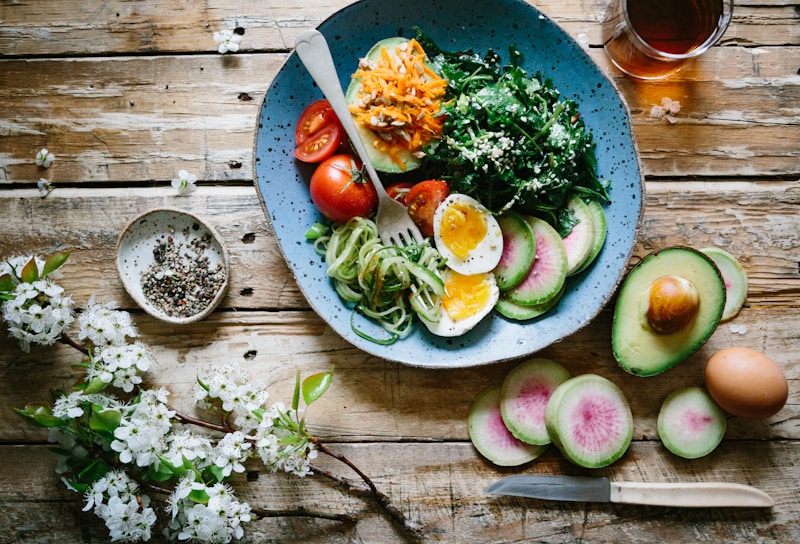
My first attempt at “eating the rainbow” was a disaster. I threw together a salad with red peppers, orange carrots, yellow squash, green kale, and blueberries. It tasted like confetti. Turns out, balance matters. I learned to mix colors into cooked dishes instead. Sautéed spinach with garlic, roasted red peppers in pasta, blueberries in oatmeal. It’s easier to eat 5-7 servings of colorful produce daily if they’re part of your actual meals. For more on this, read My Take on Why Eating the Rainbow Is Not Just A Saying.
3. Hydration Check
I keep a 32-ounce water bottle on my counter. If it’s empty by lunch, I drink another. Hydration helps your lymph system move waste. It’s boring, but it works.
4. Sleep and Stress
This is the hard part. I aim for 7-8 hours, but some nights it’s 6. On those nights, I skip the second cup of coffee after 2 p.m. Sleep is when your body produces cytokines, proteins that fight infection. No sleep, no cytokines.
Common Mistakes I Made (So You Don’t Have To)
When I first started this journey, I fell into a few traps. I’m not a chef. Just someone who cooks. But I’ve made plenty of kitchen errors.
Expecting Instant Results
I started taking garlic supplements and drinking green juice on day one. By day three, I still felt tired. I almost quit. Real change takes time. It took me about six weeks to notice a real difference in how I felt during cold season.
Being Too Restrictive
I cut out all sugar and grains. I felt deprived. Balance is key. I still eat pizza. I still enjoy dark chocolate. The trick is moderation. If you’re feeling sluggish, you might need to Signs You Need To Detox Your Body, but that doesn’t mean eliminating entire food groups forever.
Ignoring Simple Tools
I tried to make everything from scratch. But having the right tools saves time and reduces stress. For example, I use a high-quality immersion blender for soups instead of a heavy-duty blender. It’s faster, easier to clean, and costs about $30 less. If you’re just starting out, check out 10 Essential Kitchen Tools Every Beginner Needs to avoid buying gadgets you’ll never use.
Giving Up Too Soon
Most people quit right before they see results. I almost quit when I got sick in February. But because I had established the habit, I recovered in two days instead of five. Consistency beats perfection.
Expert Tips for Long-Term Success
Here are some pro tips that have helped me stick to this routine without feeling like I’m on a diet.
Find a Community
I joined a local cooking group that focuses on seasonal eating. We swap recipes and check in on each other’s health goals. Having an accountability partner makes a huge difference.
Celebrate Small Wins
Did you eat five servings of vegetables today? That’s a win. Did you go to bed at a reasonable hour? Win. I keep a small journal on my fridge. It’s silly, but checking off these boxes gives me a dopamine hit.
Be Flexible
Life happens. You’ll travel. You’ll get sick. You’ll have a busy week. Adjust your approach. Maybe you can’t cook a ginger tea every day, but you can eat one orange. Focus on the process, not just the outcome.
Set Realistic Goals
Start with one change. Maybe it’s adding one serving of vegetables to dinner. Or maybe it’s drinking more water. Once that feels automatic, add another. I set a goal of eating one new vegetable each week. It keeps things interesting.
Final Thoughts: Your Health Is Your Wealth
There you have it. A practical, no-nonsense guide to how to boost your immune system naturally. It’s not about expensive supplements or complicated recipes. It’s about small, daily actions that compound over time.
The most important thing is to start today. Pick one small action from this guide and commit to it. Whether it’s making that ginger tea, adding a superfood to your diet, or simply taking 10 minutes for mindfulness, every step counts. I’m not saying you’ll never get sick again. But you’ll handle it better. And that’s the goal.
What’s your first step going to be? Drop a comment below and let us know how your journey unfolds. We’re all in this together!
Remember: Your health is your wealth. Invest in it wisely, one meal at a time.
Frequently Asked Questions
Does garlic really boost the immune system?
Yes, garlic contains allicin, which has antimicrobial properties. I add it to almost every savory dish I cook. It’s easy to incorporate and tastes great.
How much sleep do I actually need?
Most adults need 7-9 hours. I aim for 7.5 hours, which fits into two sleep cycles of 90 minutes each. Use an alarm if you need to.
Are supplements necessary?
Not always. Food is best. But if you live in a place with dark winters, Vitamin D might be helpful. I take 1,000 IU daily. Always check with your doctor first.
Can I boost my immune system quickly?
Not really. It’s a marathon, not a sprint. But you can support it immediately by resting and hydrating when you feel a cold coming on.