Some of the links in this article are "affiliate links", a link with a special tracking code. This means if you click on an affiliate link and purchase the item, we will receive an affiliate commission.
The price of the item is the same whether it is an affiliate link or not. Regardless, we only recommend products or services we believe will add value to our readers.
By using the affiliate links, you are helping support our Website, and we genuinely appreciate your support.
Getting Started: Choosing the Right Chicken
My first real lesson in cooking chicken didn’t happen in a culinary school, but in a cramped apartment kitchen in Chicago. I had bought the cheapest, smallest bird I could find at the grocery store, panicked when it looked dry after twenty minutes, and ended up with a tough, flavorless mess. I nearly gave up on poultry altogether. Turns out, the bird itself was only half the battle. The other half was knowing exactly what to look for at the counter.
When you’re standing in the meat aisle, it’s easy to get overwhelmed by the packaging. “Organic,” “Free-Range,” “Grain-Fed,” “Antibiotic-Free.” It’s a lot. But here’s the thing: I usually opt for organic or free-range chicken, and yes, you can taste the difference. The meat is firmer, the color is a deeper yellow (from the corn in their diet), and it often cooks more evenly because the muscle structure is different. If you’re unsure, don’t just grab the first package. Ask your local butcher for recommendations. They’ll often have insights into what’s freshest and best for your specific dish. Sometimes, the “free-range” label on a big box store is just a marketing term, but a small butcher shop sources from farms you might recognize. It’s worth the extra dollar or two, especially if you’re roasting the whole bird.
For a quick weeknight meal like sautéed breasts, I might stick to conventional boneless, skinless cuts if I’m on a budget, but I always check the expiration date carefully. I’ve been making this meal for three years, and I’ve learned that texture is everything. A good quality bird sets the stage for everything else. If you want to support your overall wellness while you cook, check out my take on why eating the rainbow is not just a saying, because pairing those colorful veggies with high-quality protein makes a world of difference.
Preparing Your Chicken
Before diving into cooking, take a moment to prep your chicken. It sounds simple, but this is where most people rush and make mistakes. I always pat it dry with paper towels to remove excess moisture. This isn’t just a habit; it’s science. If your chicken is wet, it steams instead of sears. I remember buying a $15 cast iron skillet thinking that alone would fix my dry chicken problem. It didn’t. Until I started drying the meat thoroughly.
Give it at least 15 to 20 minutes to dry out on the counter before you even think about seasoning. If you’re marinating, give it at least 30 minutes, but no more than 4 hours for delicate breast meat, or it can turn mushy. Acidic marinades like lemon juice or vinegar break down the proteins, so timing is key. I’ve ruined perfectly good chicken by leaving it in a yogurt-based marinade overnight. It tasted great, but the texture was like wet cardboard.
Don’t forget to bring the chicken to room temperature. If you throw a cold, refrigerator-chilled breast into a hot pan, the temperature drops drastically, and you lose your sear. Let it sit out while you chop your veggies or set the table. It’s a small step that yields big results. And if you’re worried about your overall health while you cook, healthy lifestyle changes for better energy often start with simple habits like meal prepping your proteins correctly.
Cooking Methods: Finding Your Favorite
There are countless ways to cook chicken, but here are a few tried-and-true methods that never fail me. I’m not a chef. Just someone who cooks. But I’ve tested enough failures to know what works.
Roasting
Roasting is a classic, and it’s hard to beat the aroma of a chicken roasting in the oven. I usually preheat my oven to 375°F. It’s not too hot that the skin burns before the meat cooks, and not too low that the bird dries out. I season the chicken generously with salt, pepper, and herbs, and let it cook until the juices run clear. A meat thermometer is your best friend here. I keep an instant-read thermometer on my counter, and it costs about $10. It’s the best kitchen tool I own. You’re looking for an internal temperature of 165°F. Take it out when it hits 160°F; the residual heat will carry it the rest of the way. Let it rest for at least 10 minutes before carving. This allows the juices to redistribute. If you cut into it immediately, all that moisture runs out onto your cutting board.
Grilling
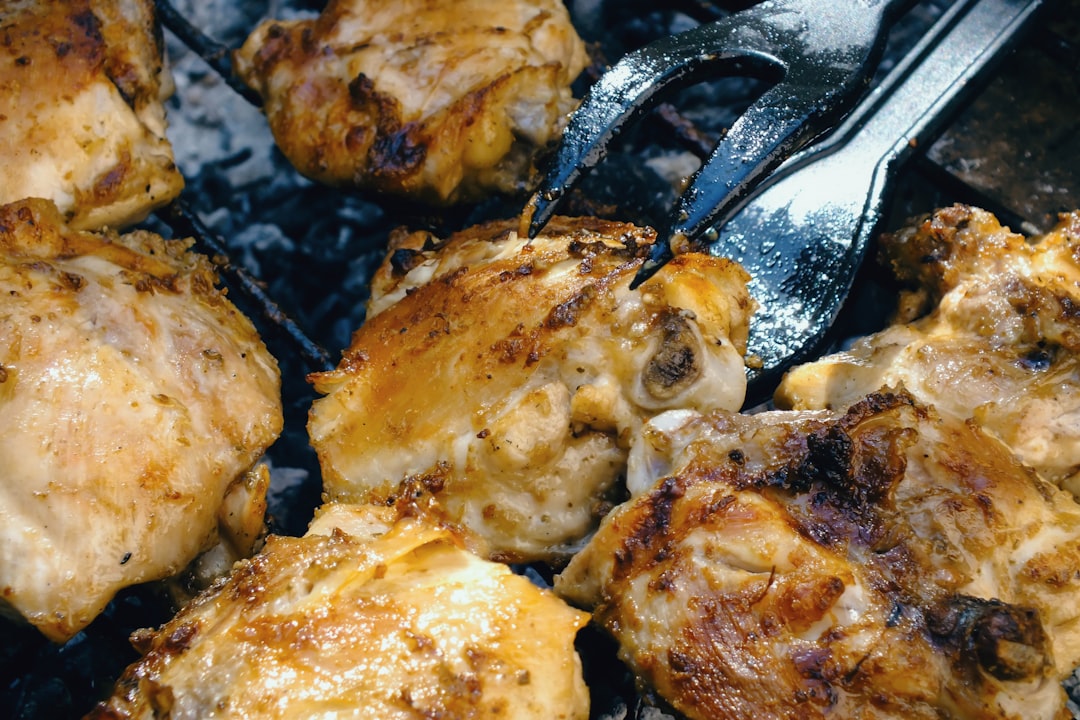
Grilling is another favorite, especially during the summer months. I love the smoky flavor it imparts. Just remember to keep an eye on the heat. Too high, and you risk drying out the meat or burning the sugars in the marinade. A good tip is using indirect heat for larger pieces like whole legs or a whole bird. I set up my grill with two zones: high heat on one side for searing, and low heat on the other for cooking through. I start the chicken over the high heat to get those beautiful grill marks, then move it to the cooler side to finish cooking. It takes a bit of patience, but the result is worth it.
Sautéing
For a quick weeknight meal, sautéing is my go-to. It’s fast, and you can whip up a sauce right in the pan. I often use a mix of butter and olive oil for a rich flavor that complements the chicken beautifully. Olive oil has a higher smoke point, so it prevents burning, while butter adds flavor. I heat the pan over medium-high heat until the oil shimmers. Don’t crowd the pan. If you’re cooking multiple breasts, do it in batches. Overcrowding the pan leads to steaming rather than searing. I usually cook each side for about 5 to 7 minutes, depending on thickness. Flip when the meat releases easily from the pan.
Seasoning and Flavors
Seasoning can transform a simple chicken dish into something extraordinary. I keep a variety of herbs and spices on hand. Rosemary and thyme are classics, but don’t be afraid to experiment with cumin or paprika. Sometimes, a squeeze of lemon or a dash of balsamic vinegar is all you need to elevate the dish.
I learned this the hard way. Early on, I thought salt was the only seasoning that mattered. My chicken was bland until I started toasting my spices in a dry pan for 30 seconds before adding them. It releases essential oils and deepens the flavor. I now use a blend of smoked paprika, garlic powder, onion powder, and a pinch of cayenne for a kick. It’s simple, but it works every time. If you’re looking to boost your immune system naturally while you season, foods that strengthen your immune system often include garlic and ginger, both of which pair perfectly with chicken.
Common Mistakes to Avoid
Even seasoned cooks can make mistakes. One common pitfall is overcrowding the pan, which leads to steaming rather than searing. Another is under-seasoning. Remember, chicken is quite forgiving, so don’t be shy with your spices. But be careful not to over-season, either. It’s easier to add salt than to remove it.
Another mistake I see often is skipping the rest time. When you take chicken out of the oven or off the grill, the fibers are tight. Resting allows them to relax and retain their moisture. I used to cut into my roast chicken the second it came out of the oven. It was dry. Now, I wait. It’s hard, but it’s worth it.
Serving Suggestions
Pairing chicken with the right sides can make your meal memorable. I love serving roast chicken with a fresh salad or grilled vegetables. Rice or potatoes also make excellent accompaniments, soaking up any delicious juices. A simple potato salad with a vinaigrette cuts through the richness of roasted chicken beautifully. Or try a quinoa pilaf with lemon zest and parsley.
If you’re feeling overwhelmed by meal planning, signs you need to detox your body might include feeling sluggish after heavy meals. Lighter sides like steamed broccoli or roasted asparagus can help balance out heavier chicken dishes. And if you’re just starting out, 10 essential kitchen tools every beginner needs can make prep and cooking much smoother.
Final Thoughts
Cooking chicken is an art that comes with practice. Don’t be afraid to try new techniques or flavors. With time, you’ll find what works best for your taste and kitchen setup. I still make mistakes, but now I know how to fix them. And that’s the beauty of home cooking. It’s personal, it’s forgiving, and it’s delicious. Happy cooking!